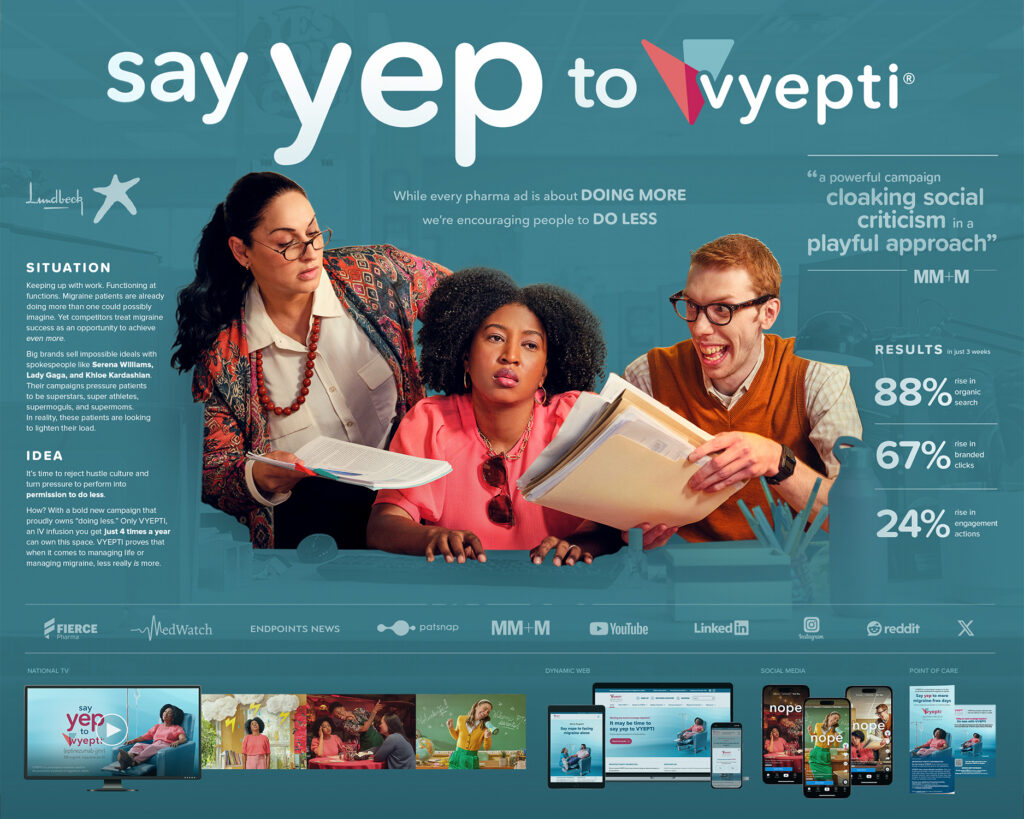
EVERSANA INTOUCH, on behalf of Lundbeck, needed a full-service video production company that had experience in healthcare videos to bring the “Say Yep” campaign to life for Vyepti, the first and only IV migraine prevention medication.
The campaign required a video production partner whose director had demonstrable comedy experience and creative that could hinge on comedic authenticity with a specific tonal balance between frustration, irony, and relief.
Thanks to our Director, Jamie Maule-ffinch, Cardboard Spaceship was the production company of choice for EVERANA INTOUCH and for this Lundbeck campaign.
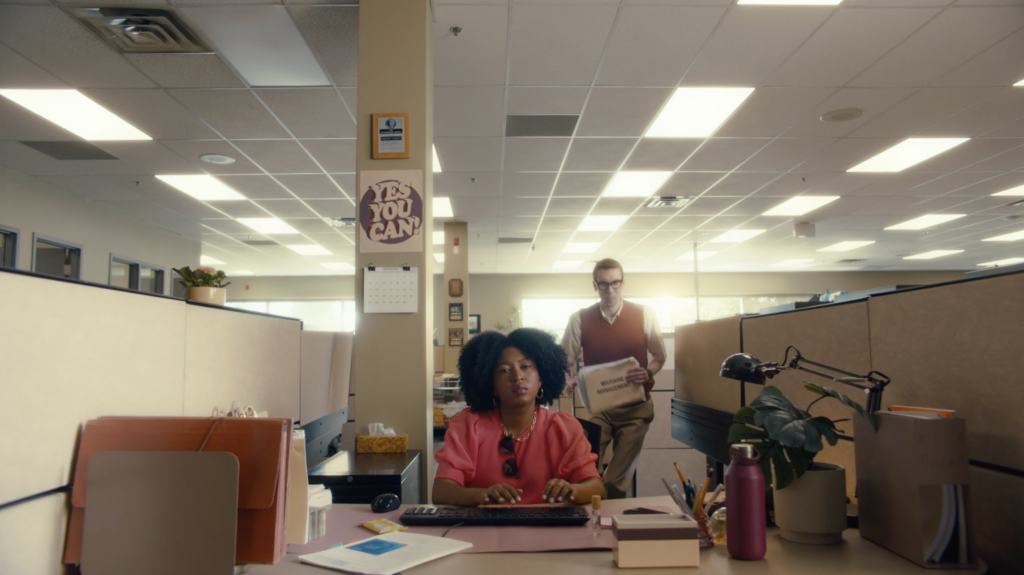
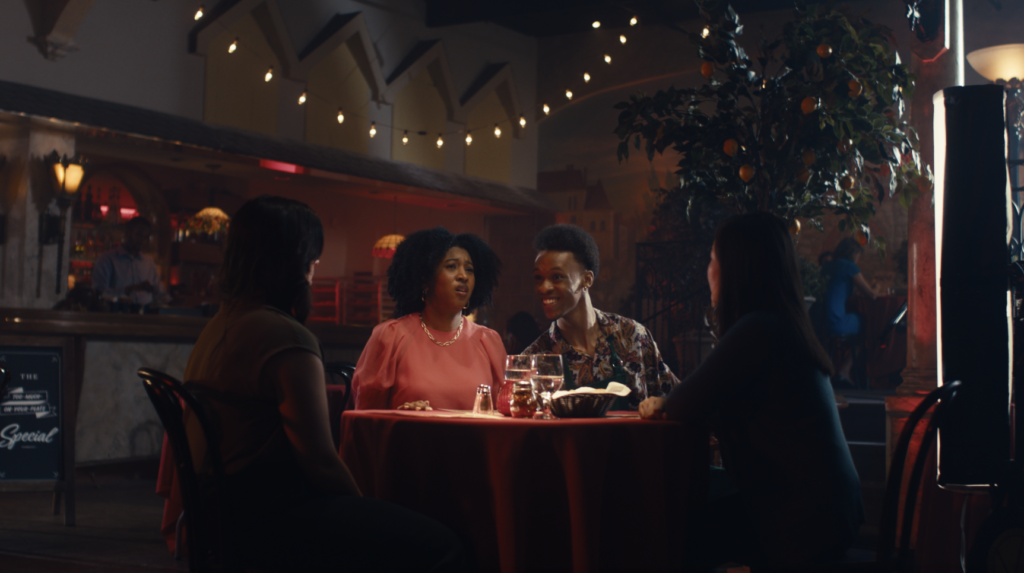
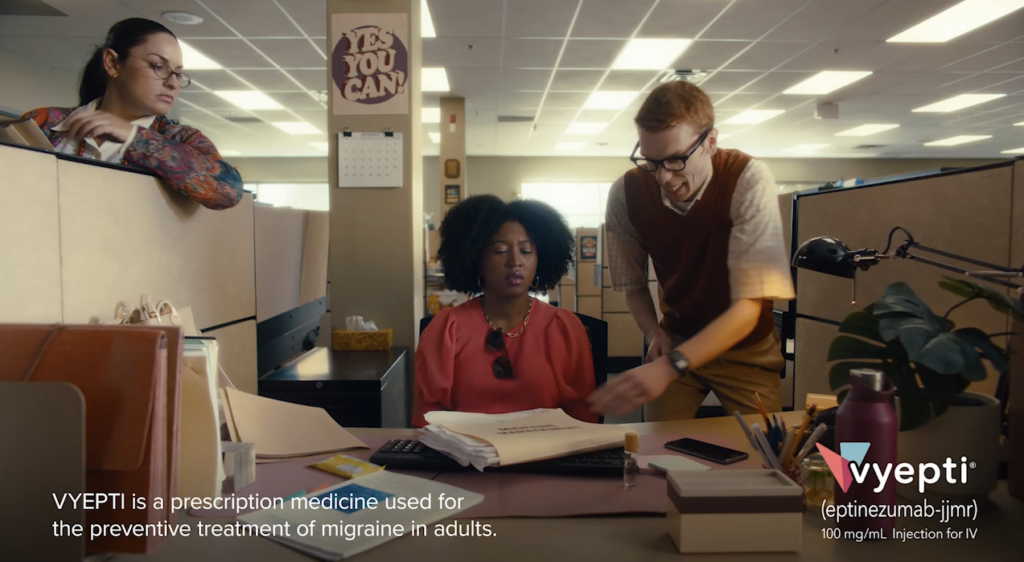
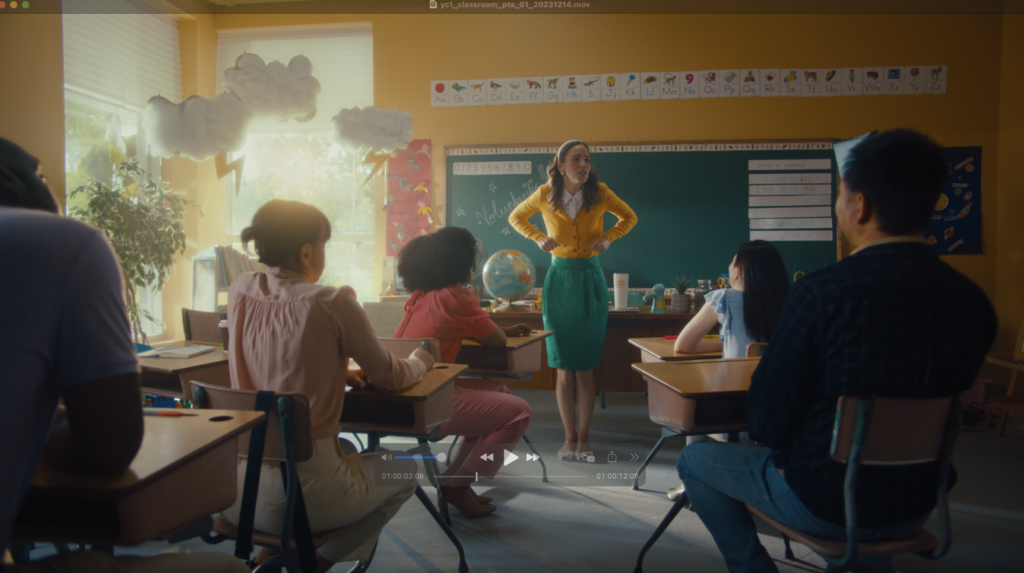
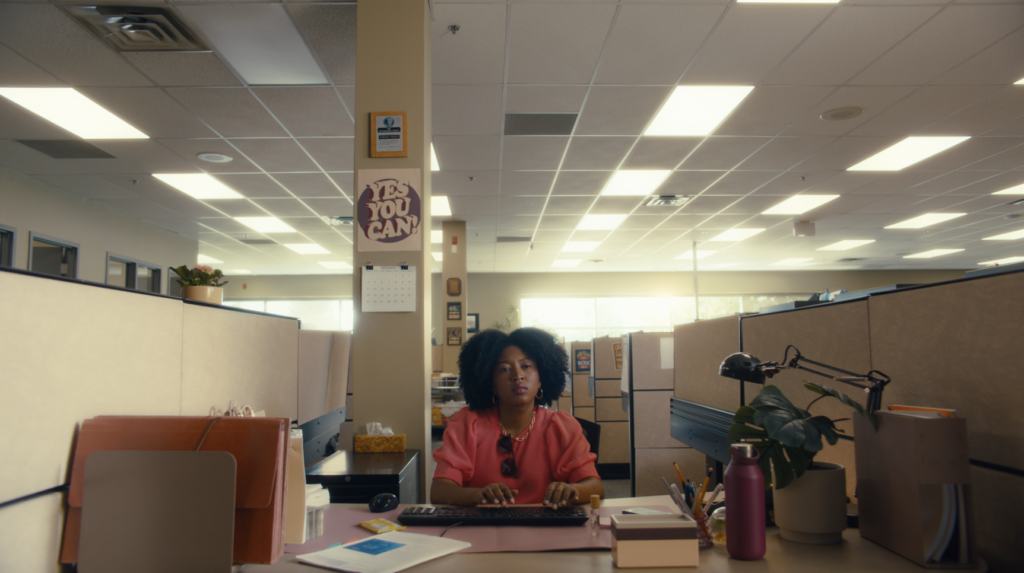
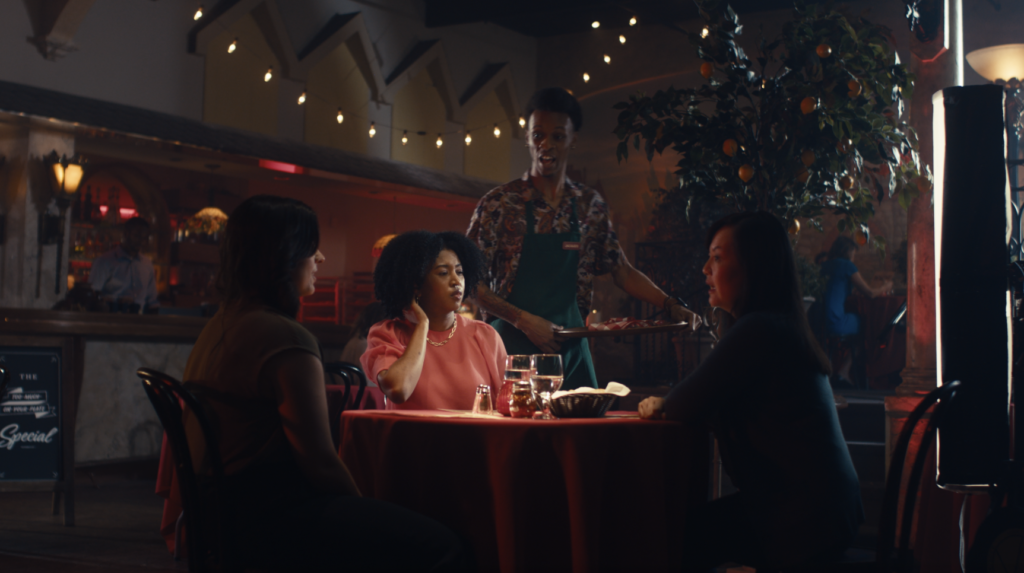
This production had two big challenges.
First, most pharma ads feel overly polished and overly positive—and audiences are pretty tired of that. VYEPTI needed to stand out and feel more real, not just slightly different.
Second, the idea relied on humor, which is tricky to get right in pharma. The tone had to balance everyday frustration (“nope” moments at work, school, restaurants) with a sense of real relief (“yep” moments during treatment and after). If the performances leaned too silly or too sentimental, the whole campaign wouldn’t work.
On top of that, the shoot itself was complex: multiple locations, a large cast, strict brand color rules, regulatory requirements like safety info and fair balance, and multiple versions of the content—all filmed in just five days in Toronto.
The Challenge
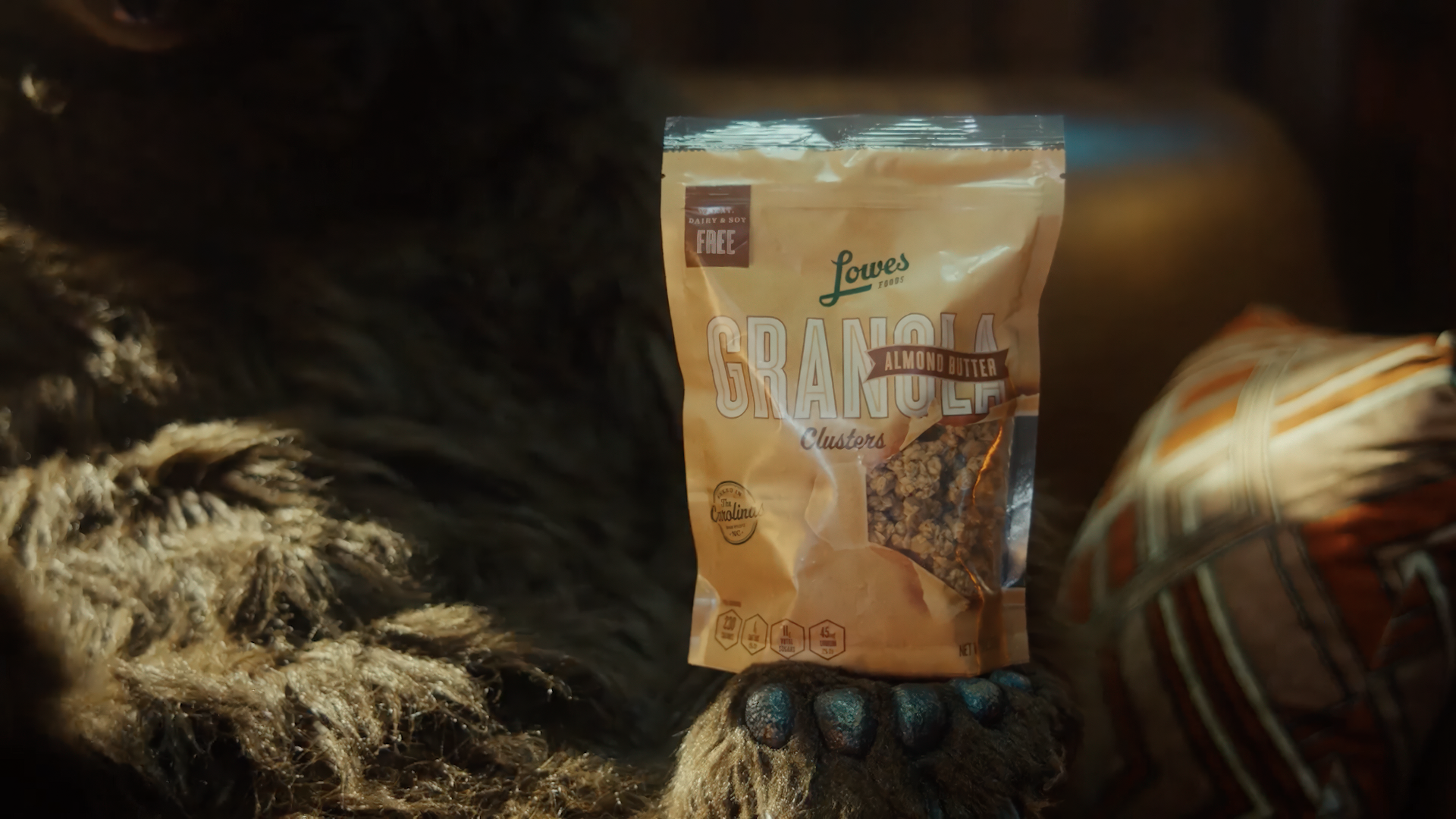
In a market saturated with CGI and AI production pipelines, Lowes Foods wanted something different for their Brown Bag private label line: work that felt real.
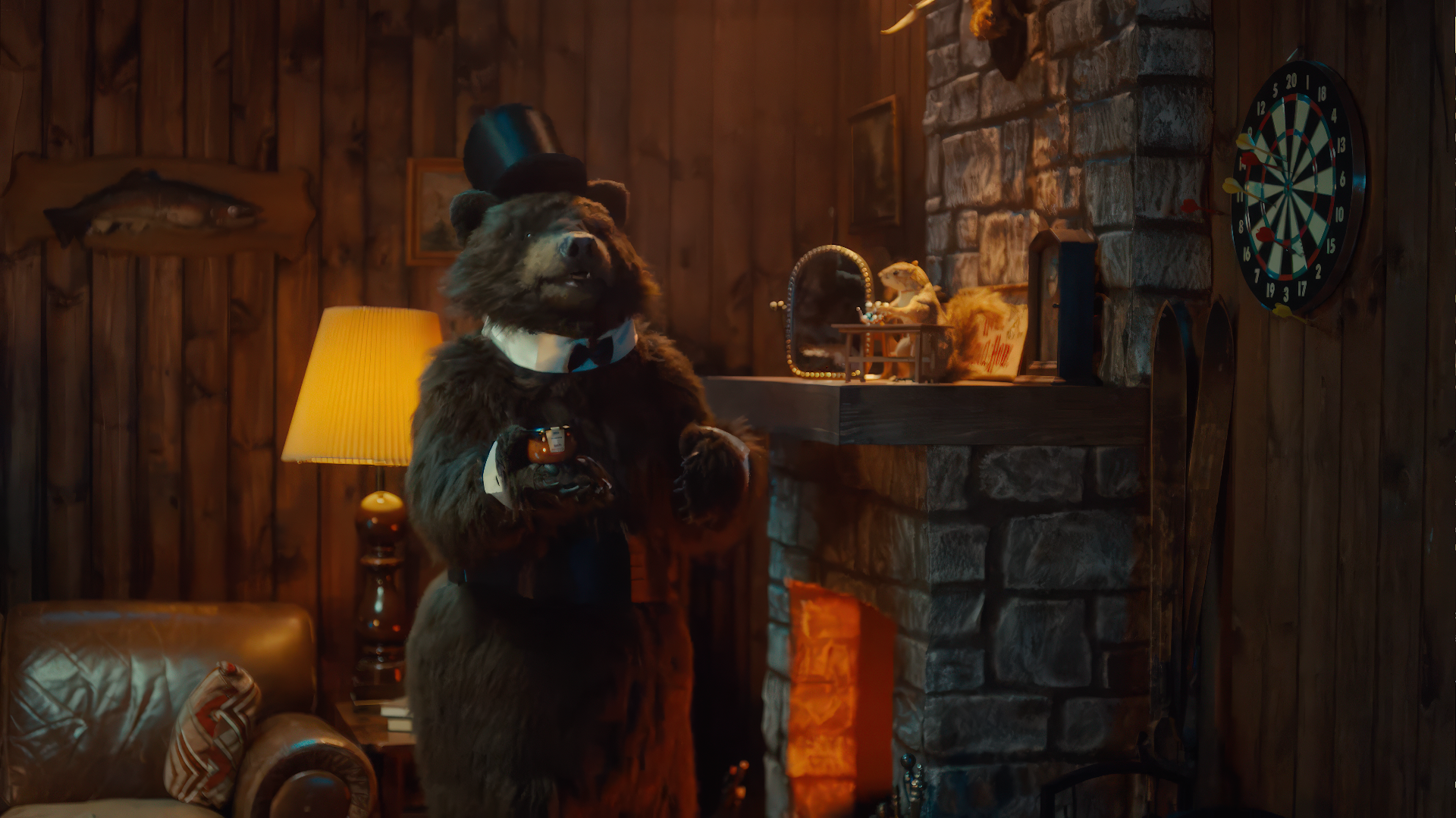
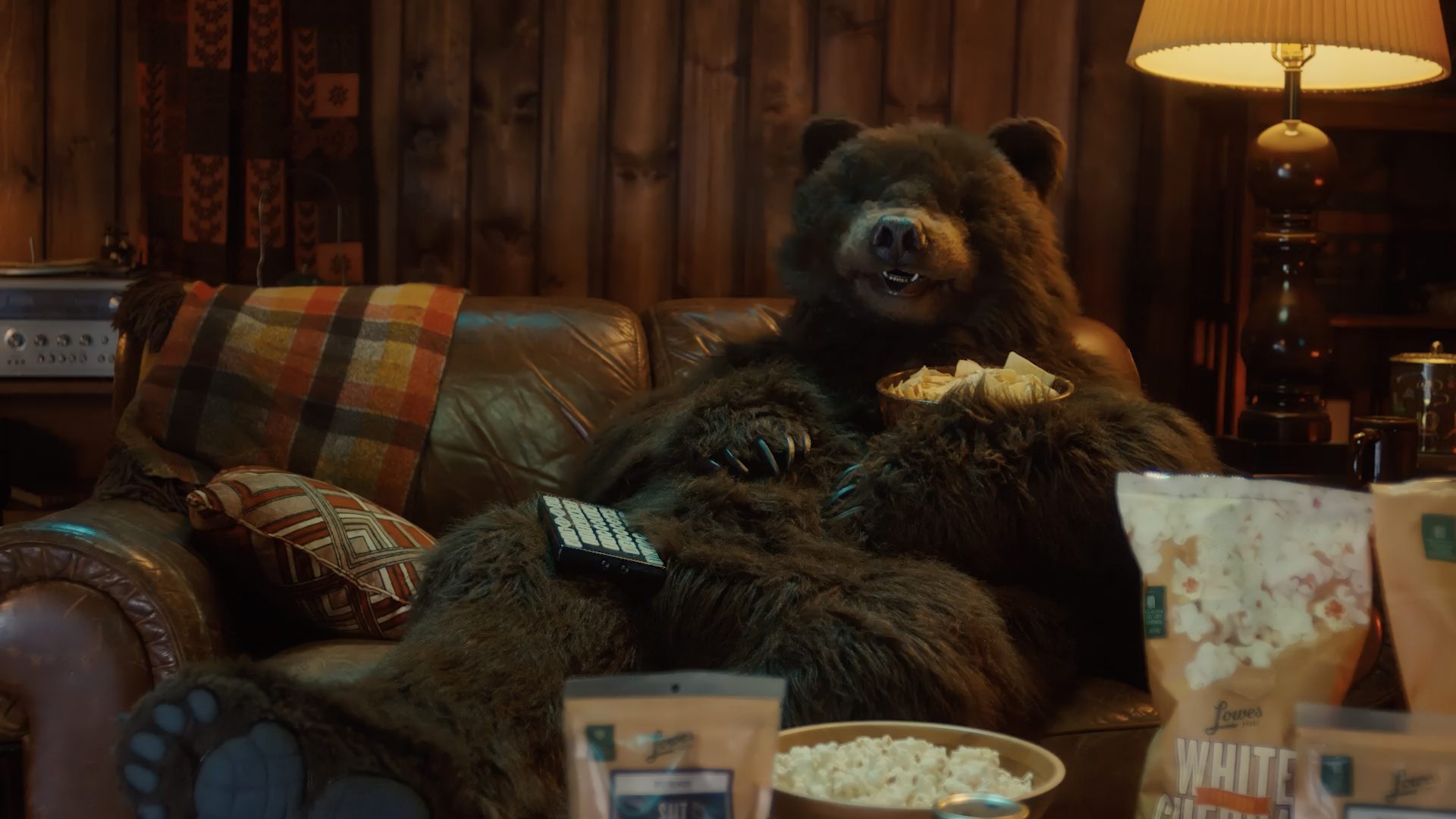
The campaign needed to deliver a memorable experience while communicating the brand’s all-natural positioning. The creative, developed by agency partner Walrus, called for a realistic talking bear, a taxidermied squirrel sidekick, and a lived-in cabin setting that walked the line between funny and grounded.
The production challenge: over a dozen spots to shoot in a single day, complex costume work, and a concept that demanded practical, in-camera craft rather than digital shortcuts.
The Solution
Cardboard Spaceship partnered with Walrus to bring Brown Bear to life through meticulous practical filmmaking – proving that tactile design and on-set ingenuity still connect with audiences.
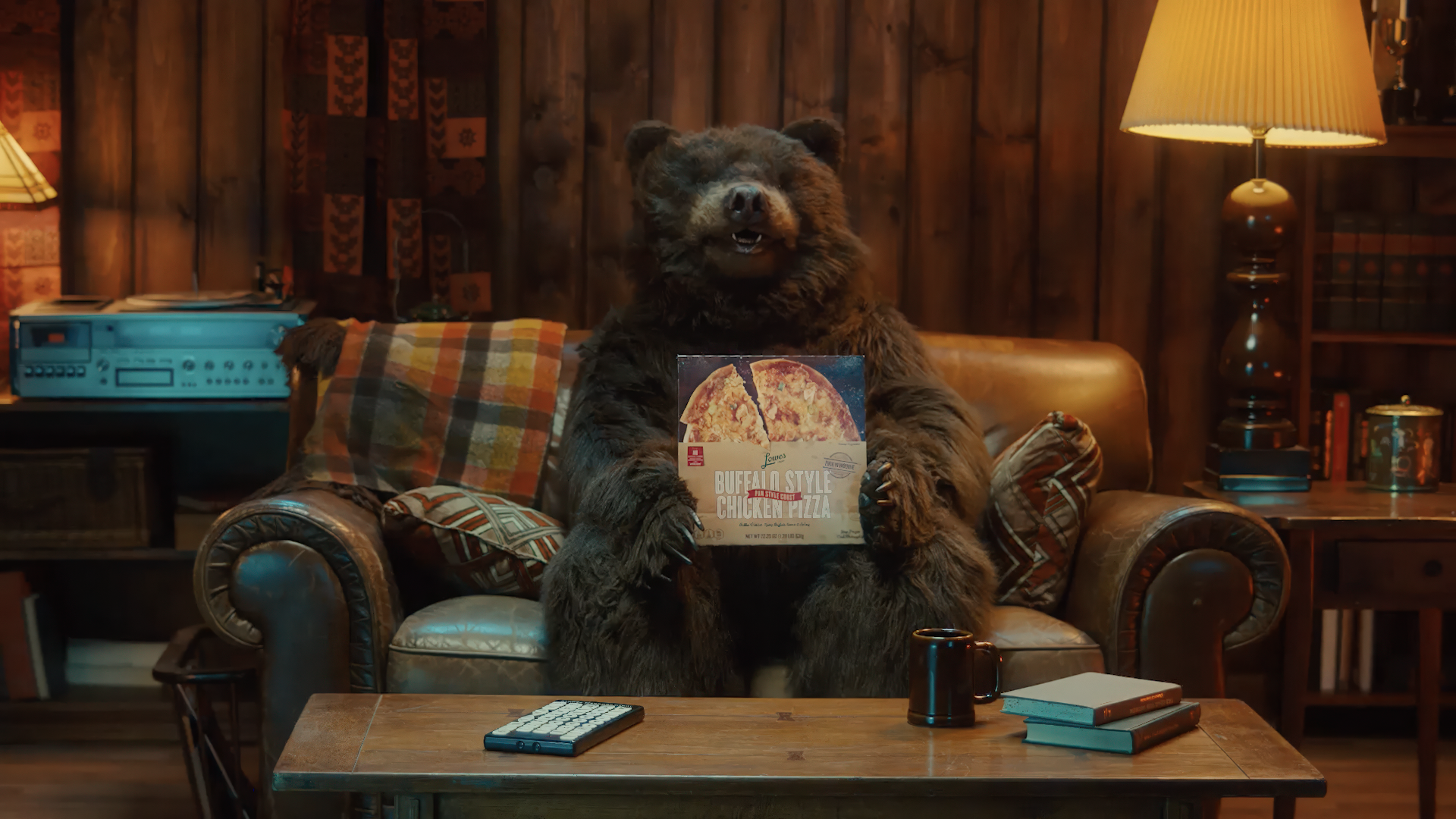
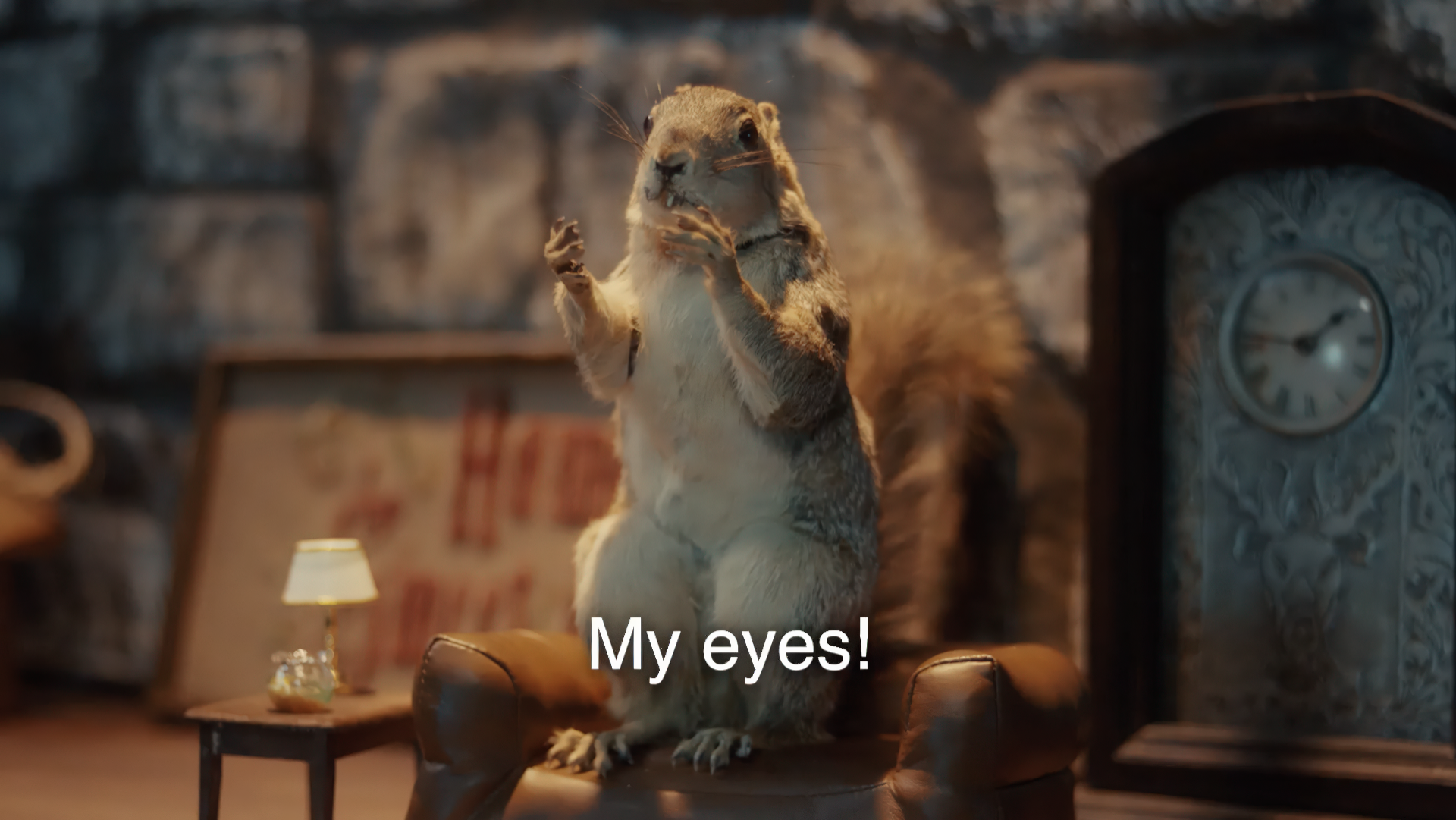
Crafted with precision and wit, this campaign promoted Walrus‘ client Lowes Foods‘ products by transforming a realistic, comedic bear into the relatable hero of their story – combining sharp dialogue, sophisticated set design, and impeccable direction to deliver a memorable and entertaining message.
The bear wasn’t a CGI creation. It was a semi-animatronic suit operated by performer Matthew Mason, voiced by Daniel Wisniewski. The two worked in lockstep – by mid-morning, they’d become one character. The squirrel puppet was intentionally kept stiff and awkward, adding dry comic timing without stealing focus.
The log cabin was built to feel lived-in. Rich wood tones, authentic textures, rustic props – every detail designed to look like a human space the bear had taken over. The lighting and color palette reinforced the warmth: cinematic and inviting, almost nostalgic.
With 12+ spots to shoot in one day, meticulous pre-production was essential. Every department operated in lockstep – from grip to editorial, ensuring complex costume work and tight scheduling translated into polished, cinematic results.
The Brown Bear campaign launched across broadcast and digital, reinforcing Lowes Foods’ position as a regional grocer that does advertising differently:
The work proves that practical, narrative-driven advertising cuts through – and that great storytelling doesn’t require a massive budget, just a clear vision and a team committed to excellence.
“What made this special wasn’t just the concept. It was the people. Collaboration is everything in filmmaking, and having a team that trusts and challenges each other is what makes a project memorable. This one had that energy from start to finish.”
In this episode of Tacit, we follow Fingal Ferguson, a fifth-generation farmer and master knifemaker in West Cork, Ireland. Fingal divides his time between the farm and the forge, where he handcrafts knives prized by chefs around the world. His work reflects a form of expertise that cannot be fully written down or automated.
You can study metallurgy or knife design on paper, but knowing when steel is ready to move or how a blade should feel in the hand comes only through years of practice and close attention to materials. Fingal’s craft is an example of tacit knowledge: expertise that develops through repetition and proximity to other makers. In an era of AI-generated output, his knives show what machines still struggle to replicate: judgment shaped by experience, care, and embodied understanding. Tacit is a series about that kind of mastery, and why it matters.
Learn more about Tacit, a mini-documentary series from Stripe Press about mastery and the value of craft.
This stock footage portfolio was shot with a simple idea in mind: follow a young couple on a scenic drive along Spain’s Costa Brava, winding past cliffs and sweeping views of the Mediterranean. It’s equal parts road trip and escape—easy, unplanned, and full of quiet moments.
When they reach a secluded beach, they dive straight into the water. The tone stays light and natural—playful splashes, laughter, nothing over-staged. It feels like a real day, not a scripted one.
Later, they turn the back of the car into a simple lounge space, stretching out and taking in the view. Close, intimate shots capture small exchanges—conversations, smiles, the kind of moments that don’t need much direction.
Throughout, the focus stays on those in-between moments—exploring, swimming, relaxing. The piece is less about the destination and more about the feeling of discovering something new together.
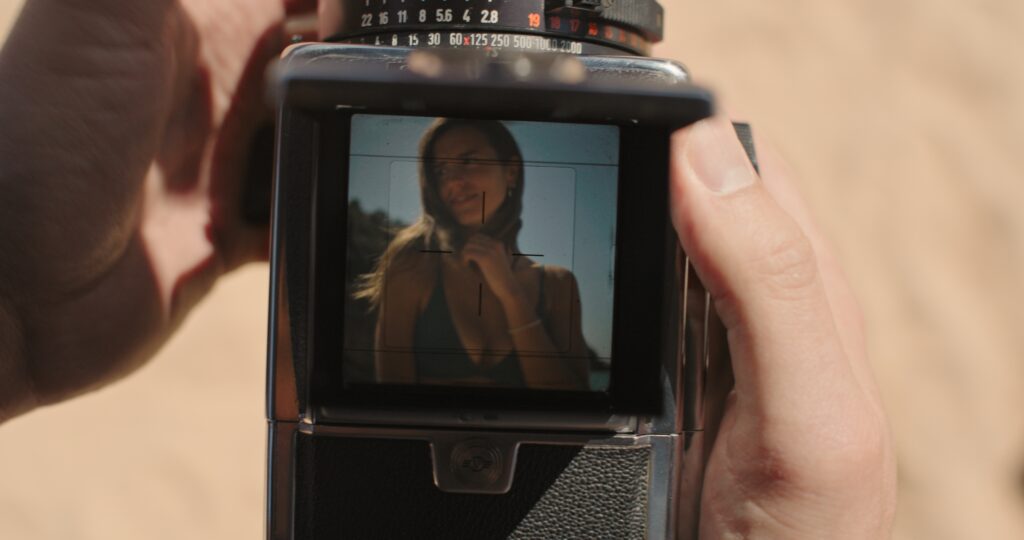
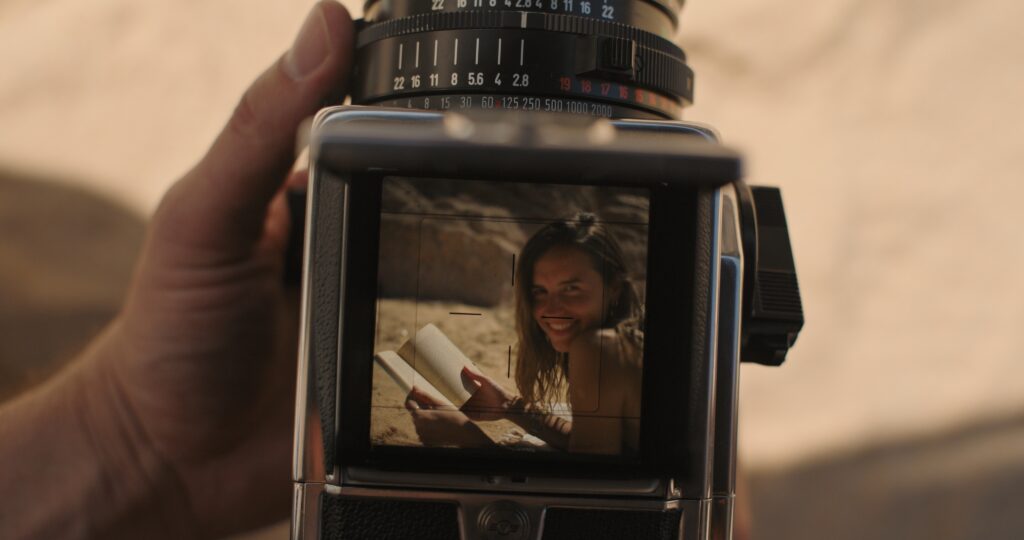
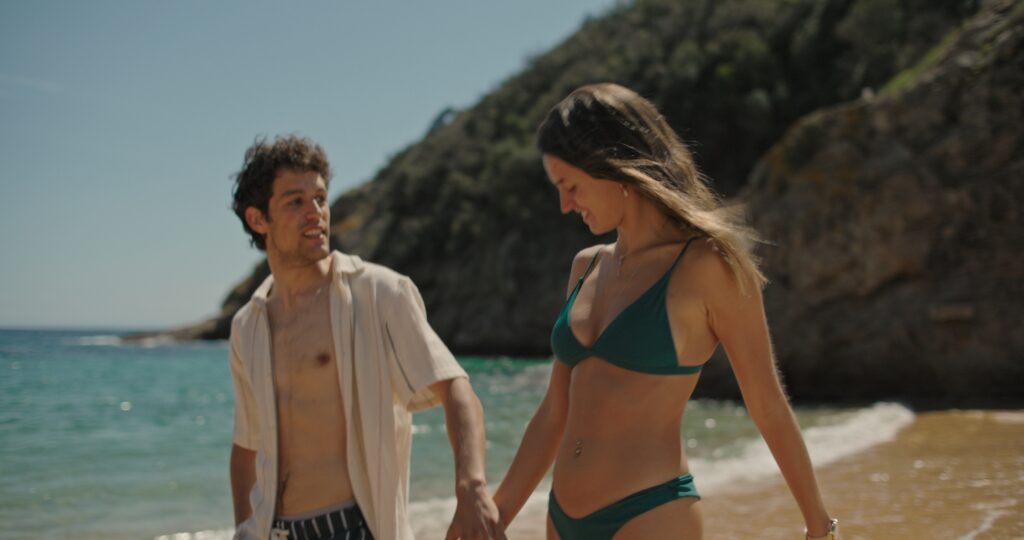
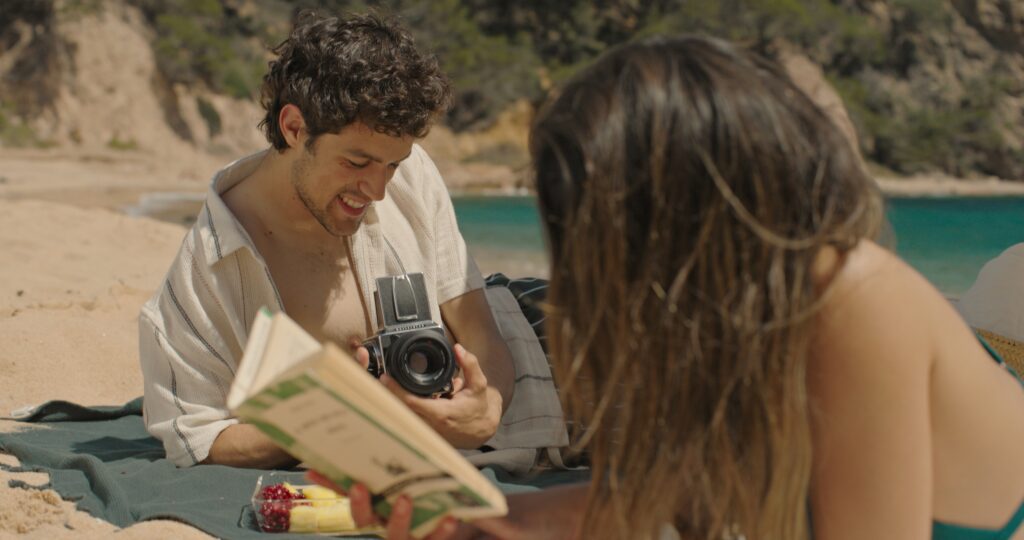
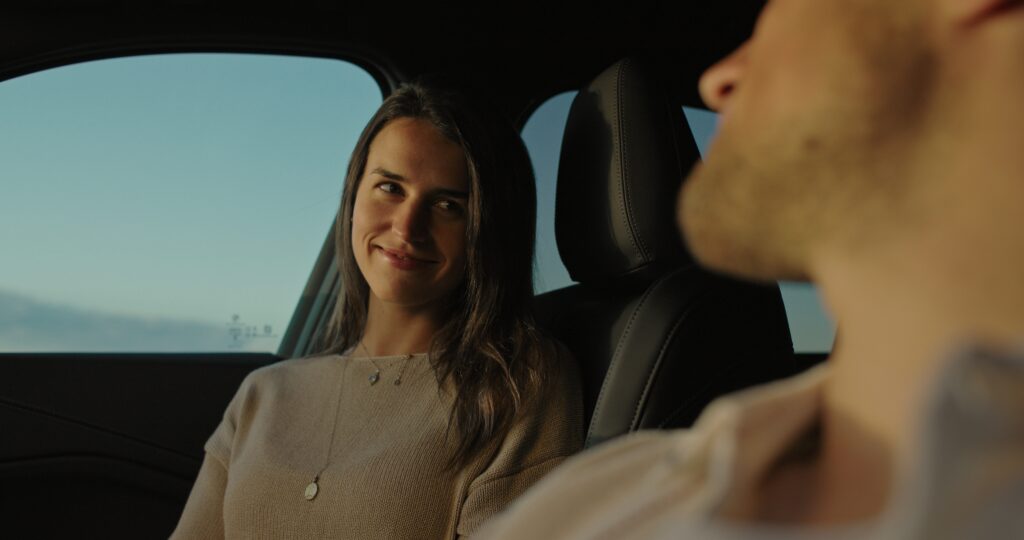
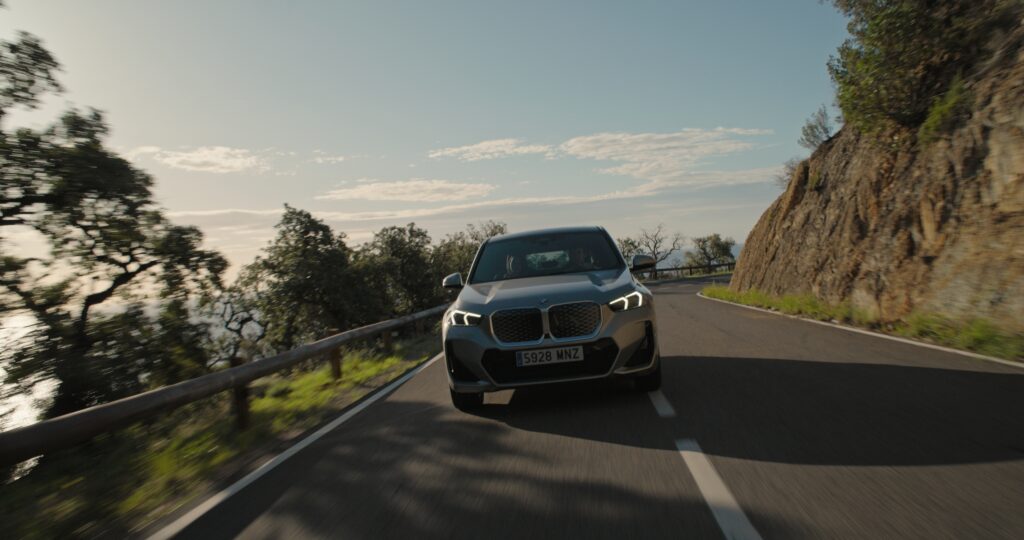
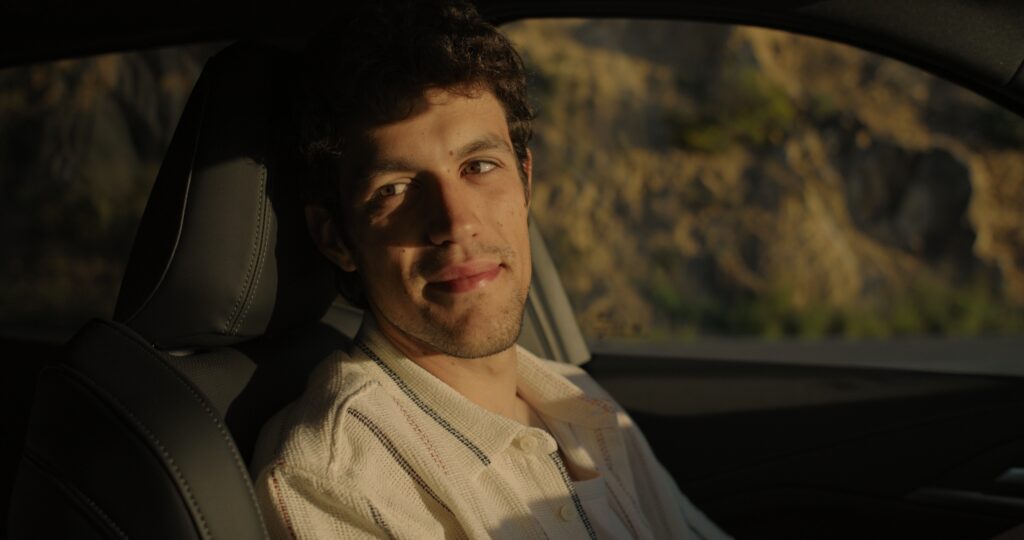
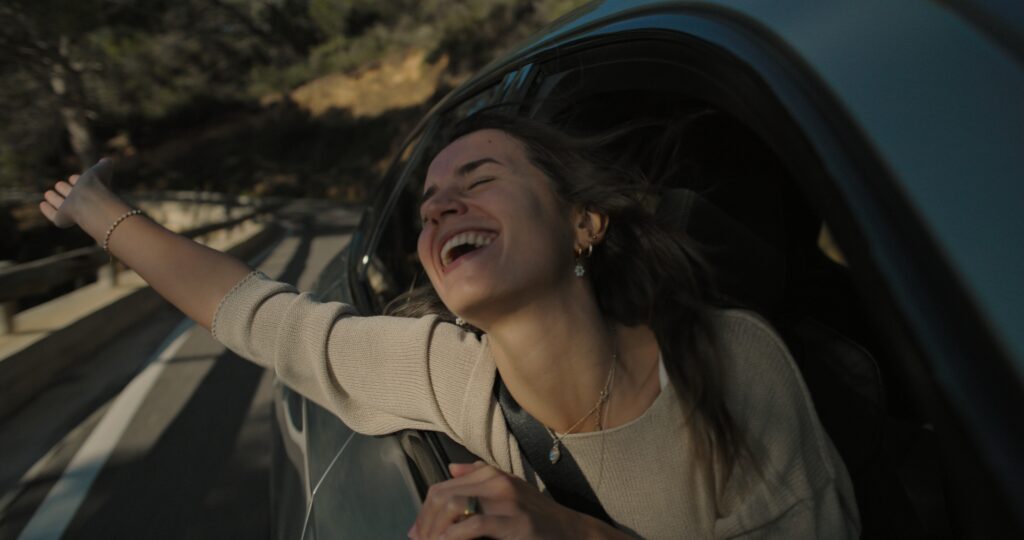
This licensed content is available exclusively on Filmsupply
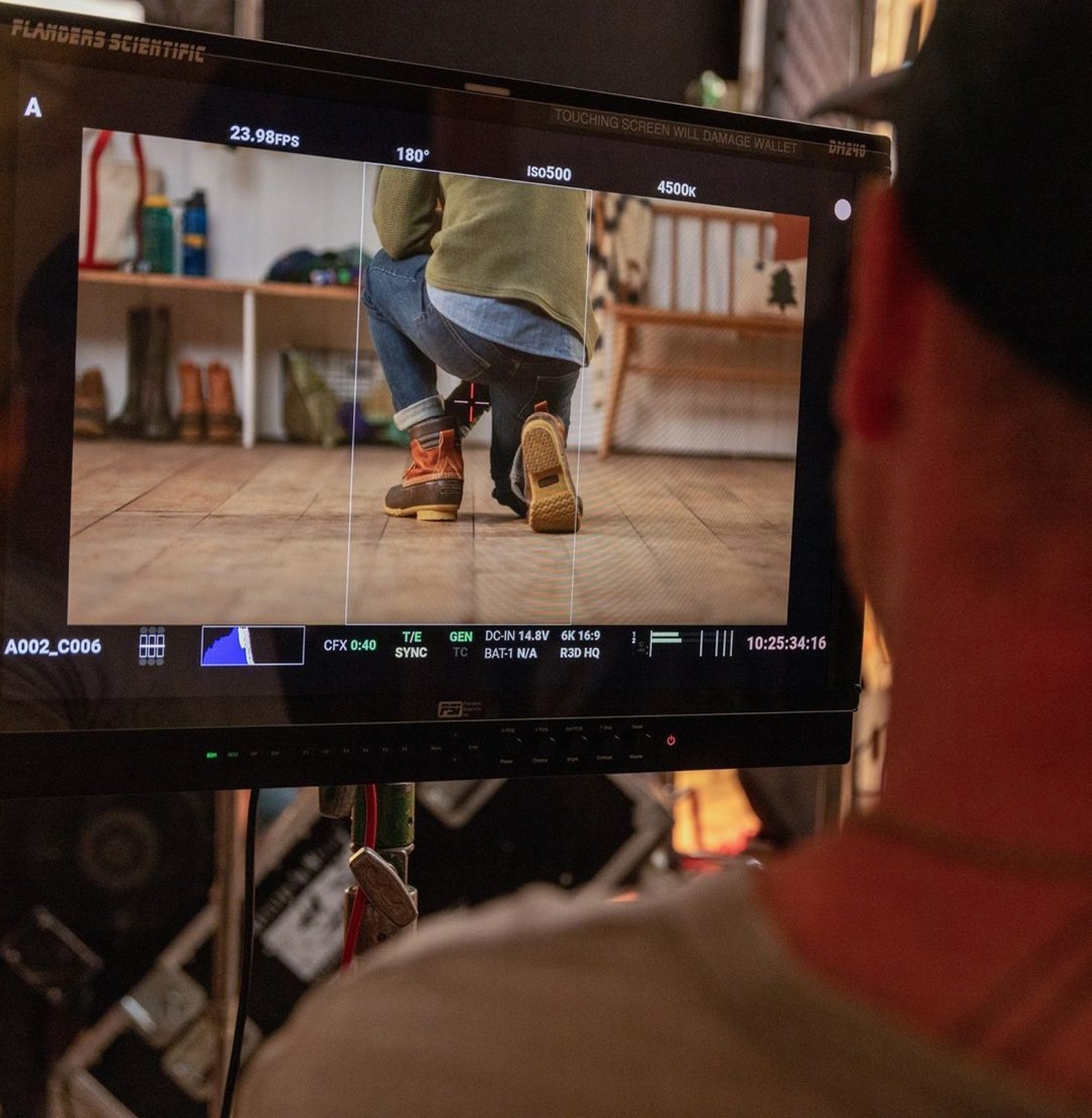
L.L. Bean needed to launch their 2023 Fall clothing line with a campaign that captured the magic of the season – the transformation of familiar landscapes, the anticipation of cooler days, the warmth of layered comfort.
The creative vision was ambitious: showcase fall fashion in immersive outdoor environments that felt transportive and cinematic. But traditional location shoots come with limitations — weather, travel logistics, time constraints, and the unpredictability of capturing “perfect” fall foliage at exactly the right moment.
L.L. Bean wanted the best of both worlds: the control of a studio environment with the visual grandeur of the great outdoors.
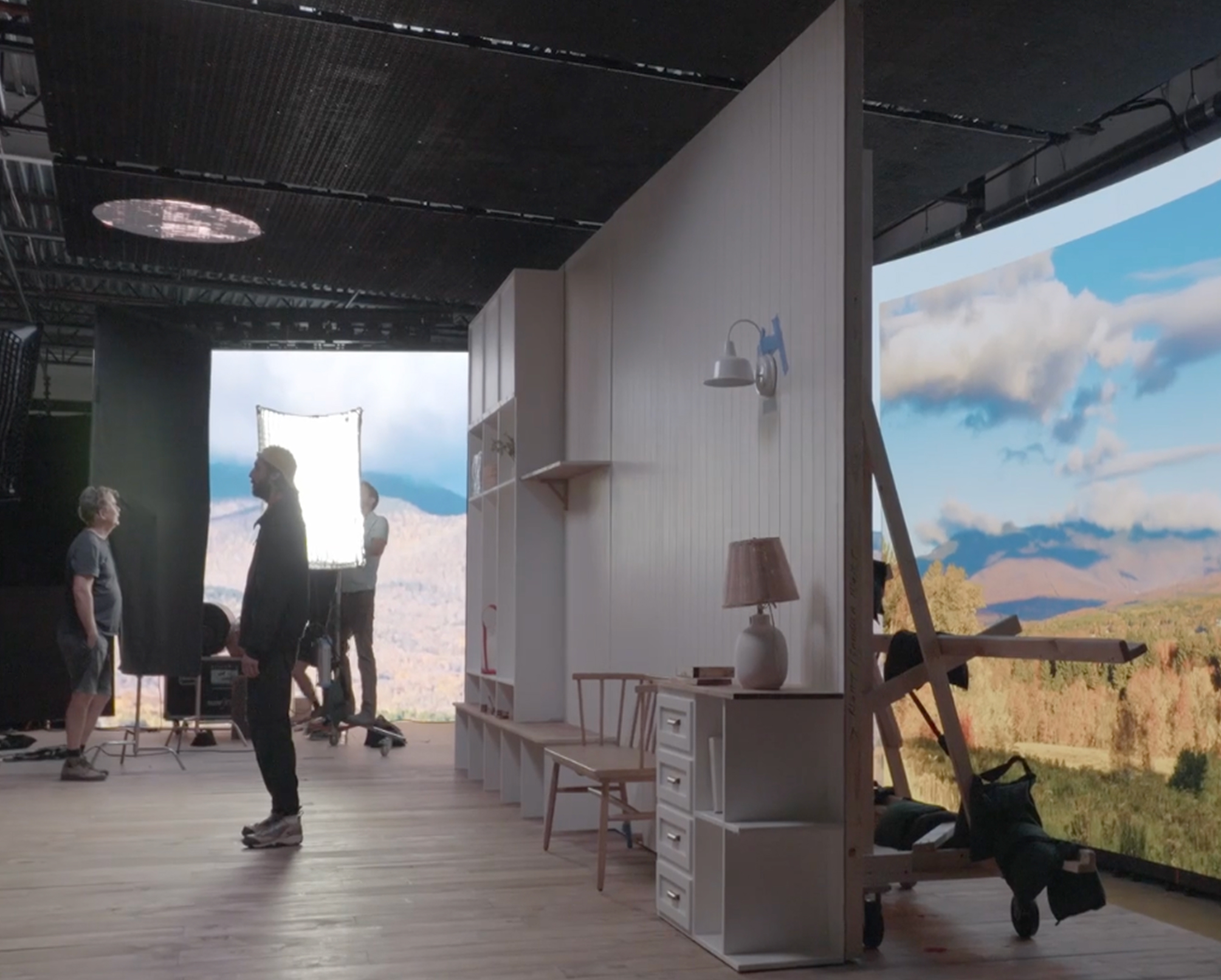
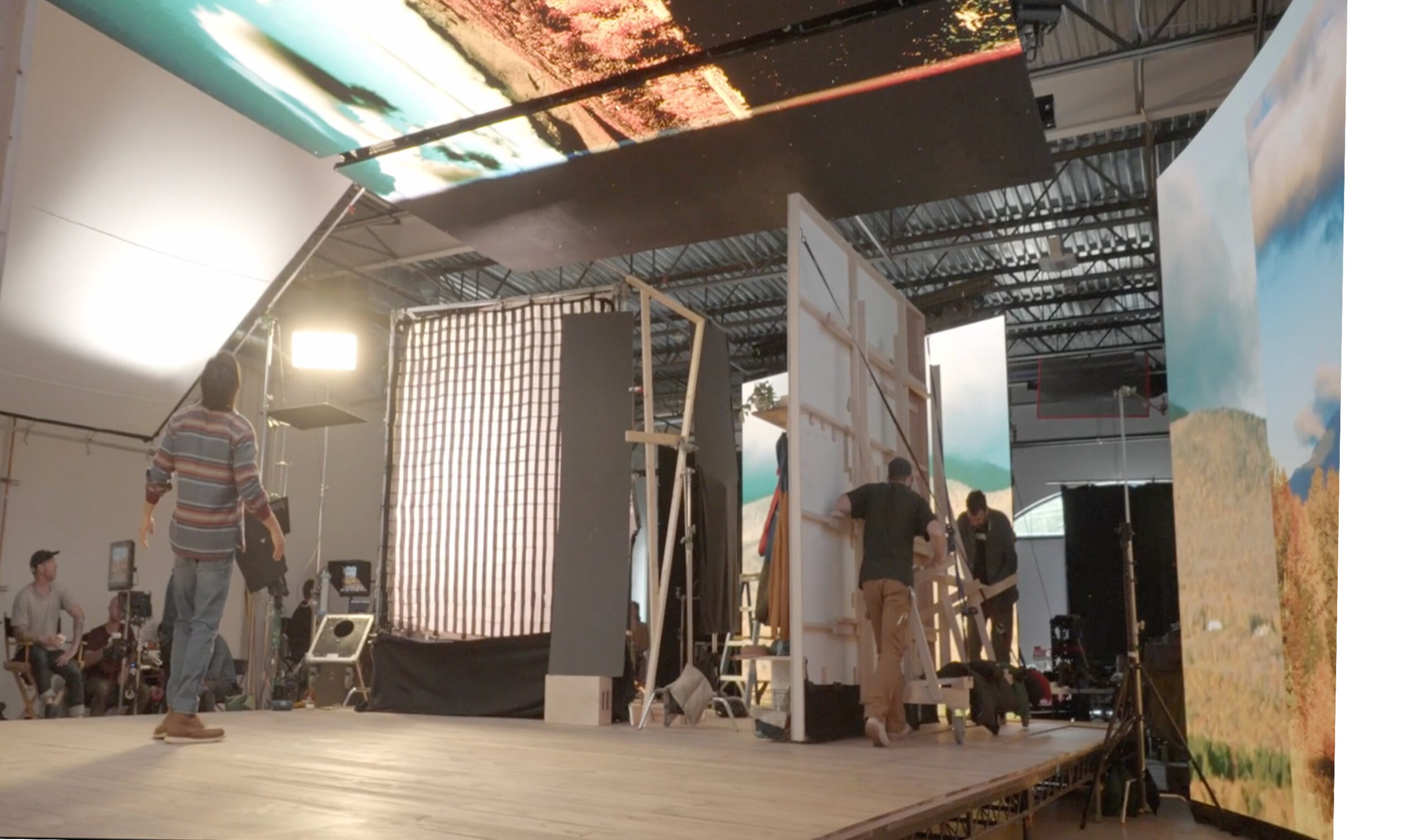
Cardboard Spaceship leveraged LED Volume Stage technology to create a seamless blend of indoors and outdoors – an immersive experience that transported viewers into the heart of fall.
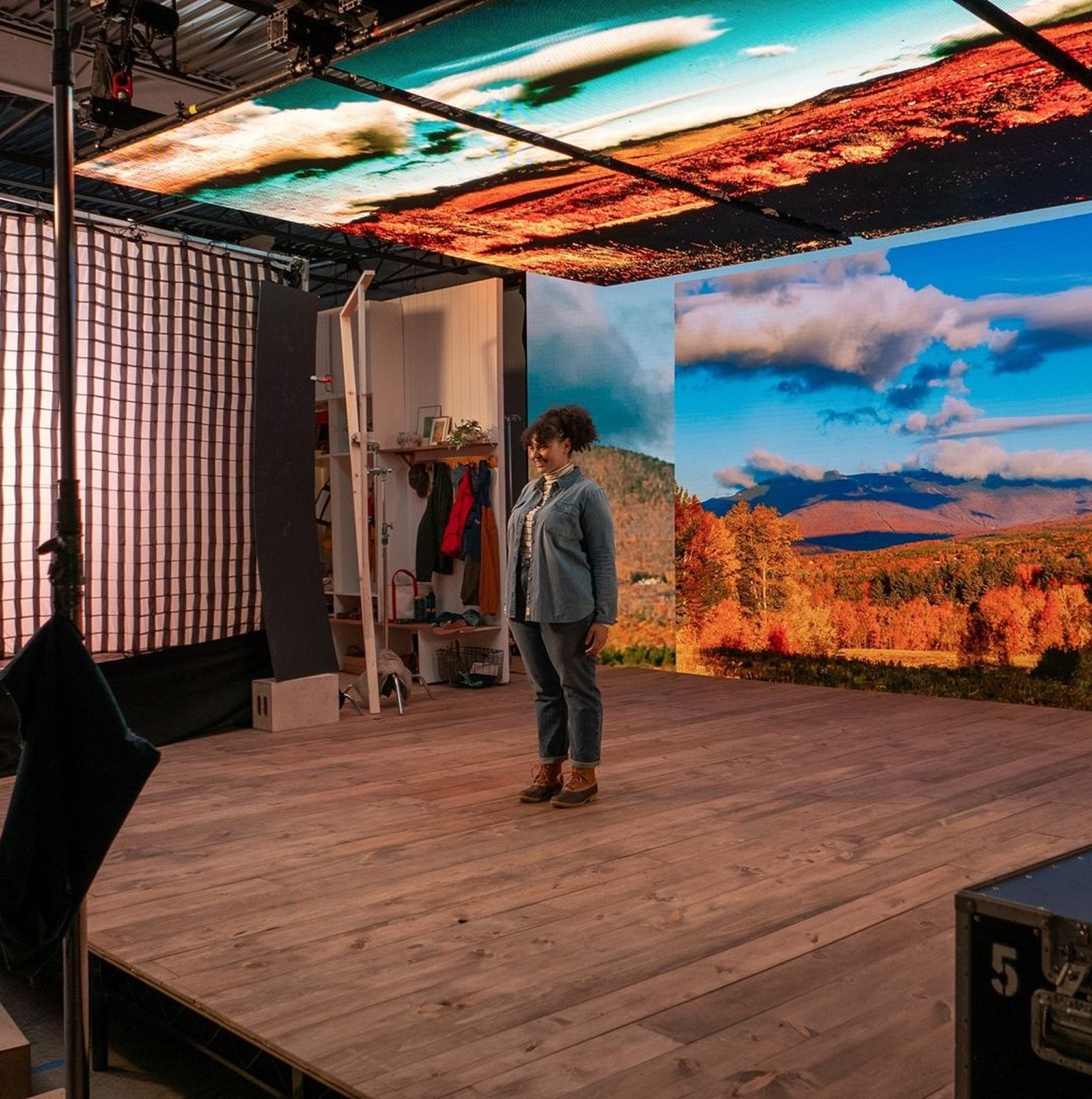
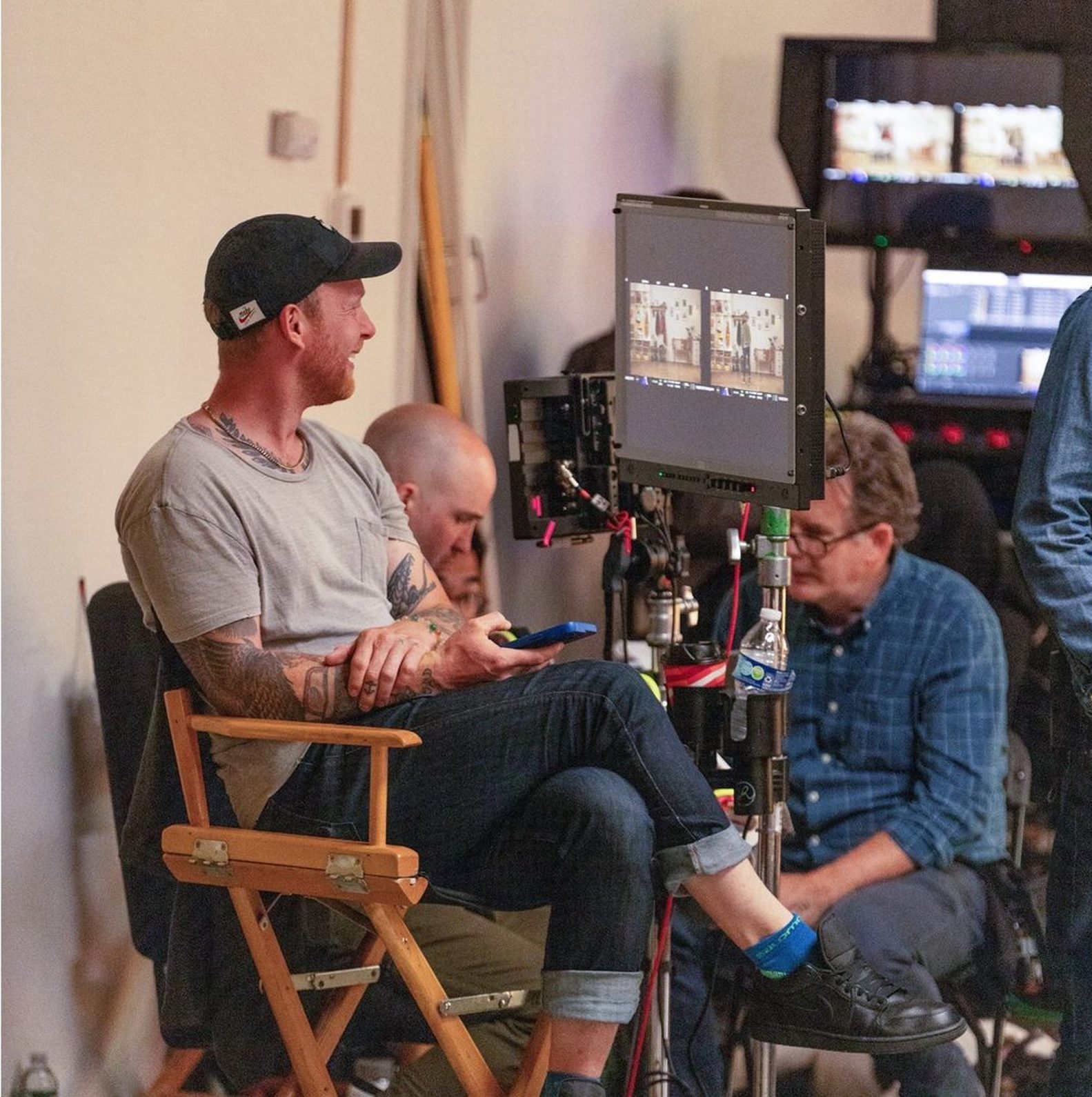
Rather than chasing locations, we brought the locations to the talent. Our team utilized an LED VR volume wall to surround performers with stunning, real-time fall environments – rich foliage, soft golden light, the atmospheric depth of autumn landscapes. The result: cinematic visuals that feel like you’re standing in the middle of a New England forest, captured with the precision and control of a studio.
LED volume isn’t a green screen replacement – it’s a fundamentally different approach. The environments wrap around talent in real-time, creating natural light interaction, authentic reflections, and in-camera compositing that eliminates the artificiality of traditional VFX. What you see on set is what you get on screen.
The L.L. Bean script called for an emotional journey: “We await fall’s arrival with pure anticipation. The excitement of familiar surroundings transformed by resplendent color. Of cooler days, warmer layers, and new kinds of cozy.” Every environment was designed to serve that narrative – immersive, enchanting, and unmistakably fall.
The L.L. Bean New Arrivals campaign delivered a visually stunning brand moment that captured the essence of the season:
The campaign proves that virtual production isn’t just for sci-fi blockbusters – it’s a powerful tool for fashion, lifestyle, and brand storytelling when executed with creative intention.
Traditional location shoots depend on weather, travel, and timing. LED volume flips the equation:
For L.L. Bean, it meant capturing the magic of fall without betting on Mother Nature.
“It was such a pleasure to work with Matt and the whole Cardboard Spaceship team on bringing our vision to life. They were amazing!”
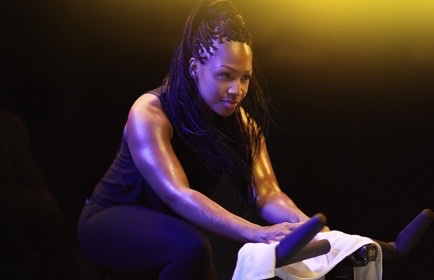
When the world shut down during COVID 19, boutique fitness brands were hit hard, and SoulCycle was no exception. With studios closed and at home workouts becoming the norm, the brand faced a critical challenge, how to reignite the emotional pull of the in studio experience and bring riders back.
Partnering with VCCP New York, Cardboard Spaceship was brought on as the full service production company to help launch a bold, unapologetic comeback campaign, “F*ck It, Let’s Ride.”
SoulCycle is not just a workout, it is a feeling. During the pandemic, that feeling faded. Riders replaced high energy, communal classes with solitary, at home routines. The brand needed more than awareness, it needed a cultural reset, a visceral reminder of what people had been missing.
Insights revealed a clear truth, people had not stopped caring about SoulCycle, they had simply forgotten the magic of it.
The idea for the campaign was not subtle, it was intentional. “F*ck It, Let’s Ride” became a rallying cry, a rejection of hesitation, a push back into joy, movement, and shared experience.
It reframed fitness not as obligation, but as release, rebellion, and connection, capturing SoulCycle’s signature intensity and attitude.
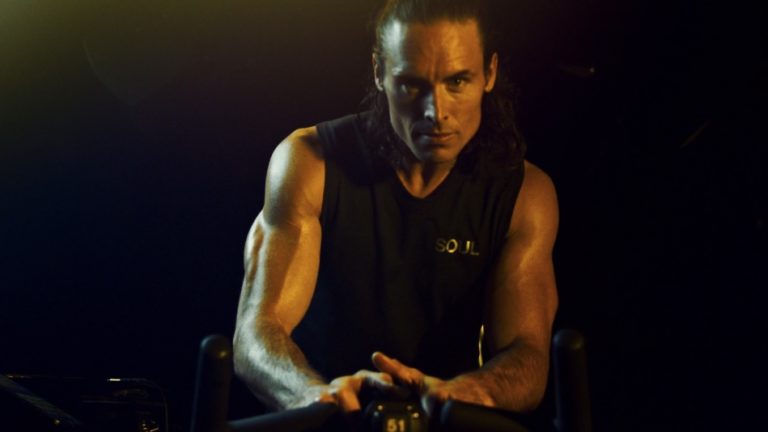
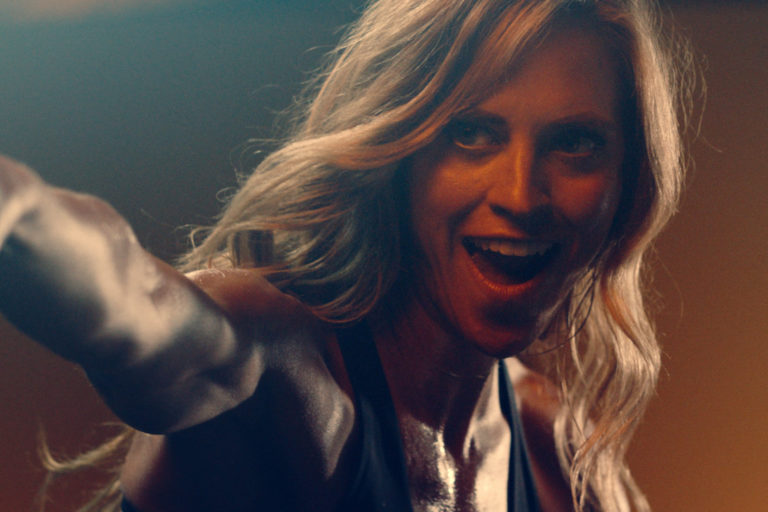
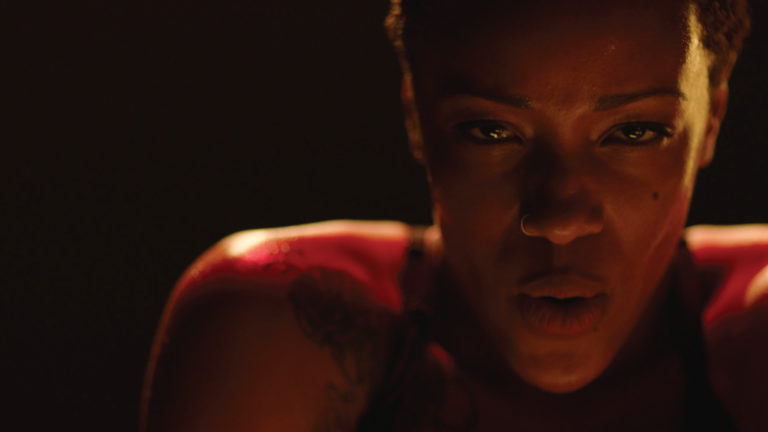
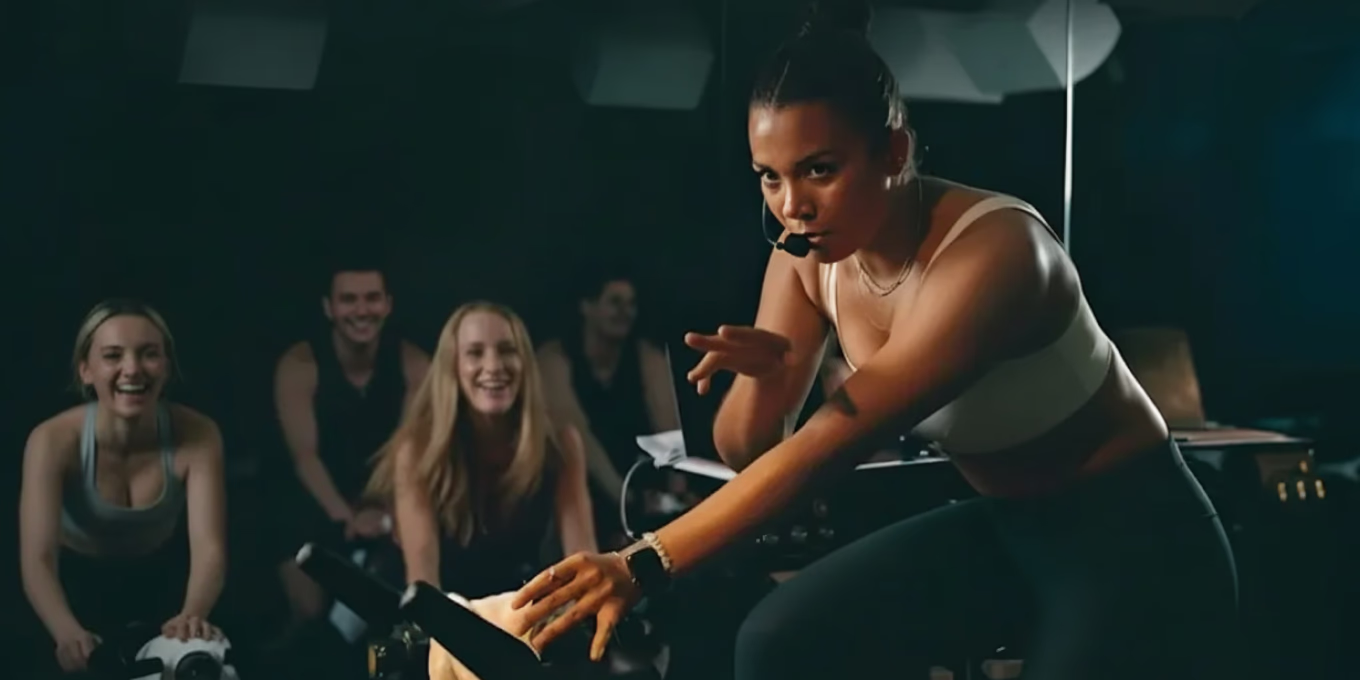
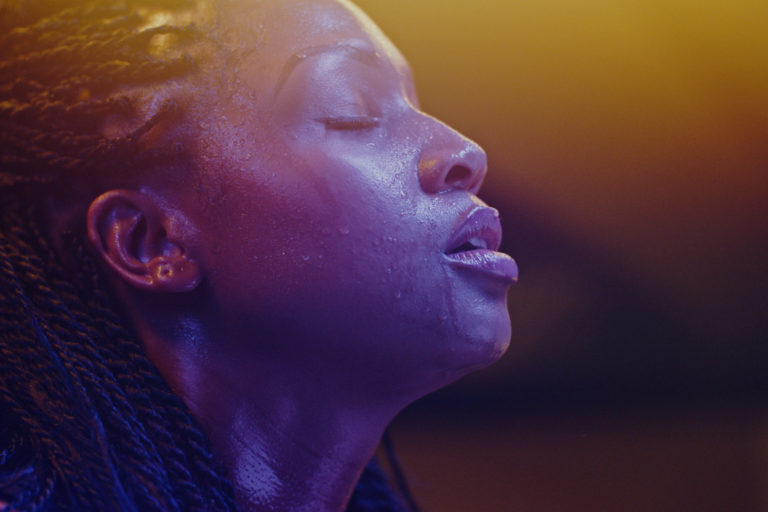
Cardboard Spaceship led full service video production, translating the campaign’s emotional core into a high impact visual experience.
Our scope included:
The goal was not just to document SoulCycle, it was to bottle its energy and make it contagious on screen.
Teens want to stay active – but getting them to actually show up is another story. Between screen time, social pressure, and gyms that feel designed for adults, the gap between intention and action is wide. Planet Fitness wanted to close that gap with their High School Summer Pass, offering free gym access to 14–19 year olds all summer.
The core issue was simple, teens do not engage with traditional advertising. If it feels like an ad, they skip it. Their attention is fleeting, their BS meter is high, and they’re inundated with digital content every second. Teens lose active attention for ads faster than any other age group, and 56% say they don’t see their lifestyle represented in advertising. The brand needed to meet this audience on their terms, with content that felt native to their world and worth their time.
Planet Fitness and agency partner BarkleyOKRP needed content that wouldn’t be skipped or scrolled past – content teens might actually binge.
Cardboard Spaceship partnered with BarkleyOKRP to create “On This Repisode of High School Summer Pass” – a free gym promo disguised as a binge-able teen drama. Instead of creating a campaign about the program, the idea was to turn the program into entertainment.
Rather than traditional advertising, we produced a full 10-episode season of content that parodied popular teen shows like Ginny & Georgia and Outer Banks. But instead of stereotypical teen drama, each “repisode” comedically centered around life in the gym and the key benefits of the High School Summer Pass.
The format included:
The cast was intentionally selected to reflect real teenagers – not picture-perfect influencers. Each episode playfully educated teens on gym etiquette and provided tips that made the gym feel less scary. The tone: perfectly sarcastic, dramatically over-the-top, and confidence-building.
Every piece was built for TikTok, Instagram Reels, and Snapchat – shot vertically, paced for short attention spans, and designed to feel like the content teens already watch, not traditional ads they’d scroll past.
“On This Repisode” didn’t just perform – it dominated:
High School Summer Pass became a binge worthy content series, inspired by the tone and structure of teen streaming shows.
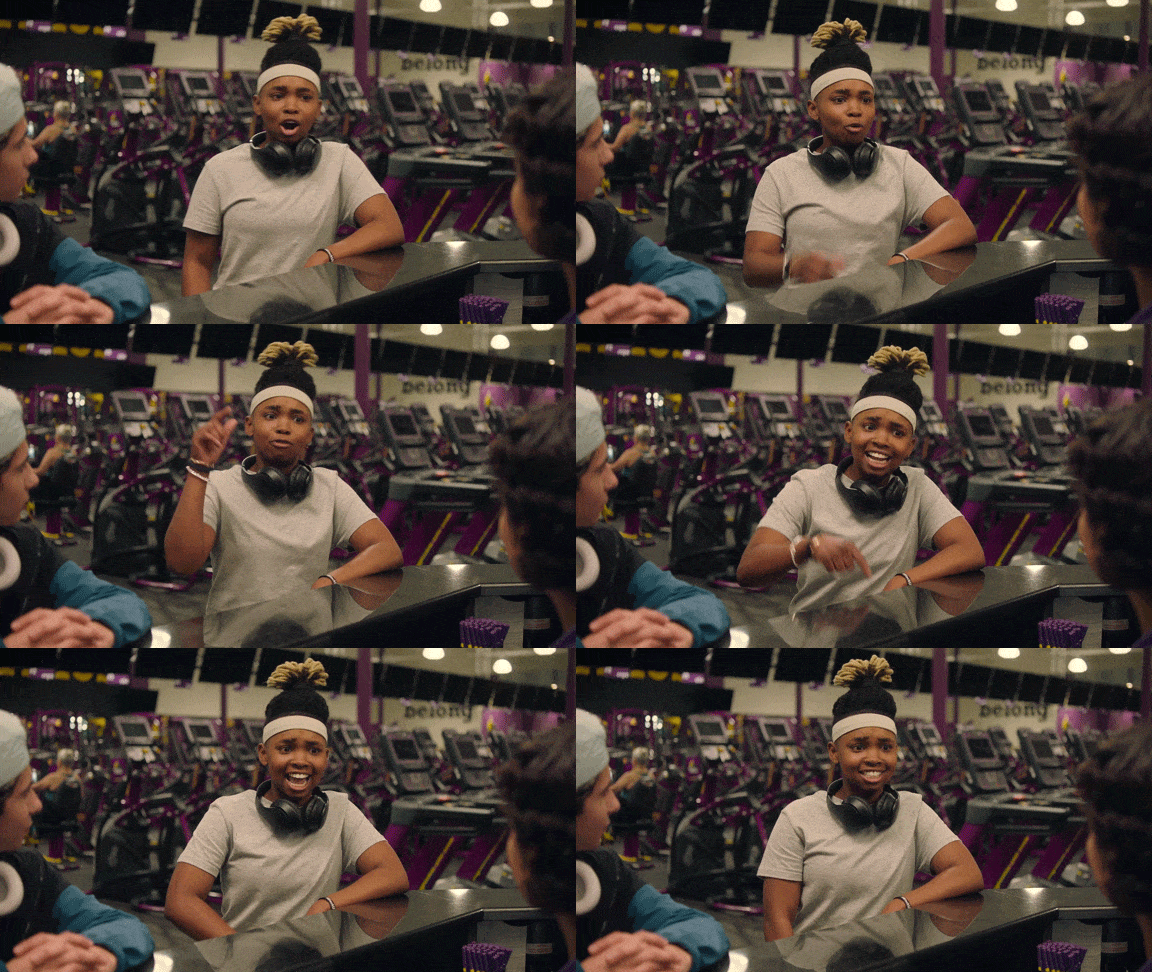
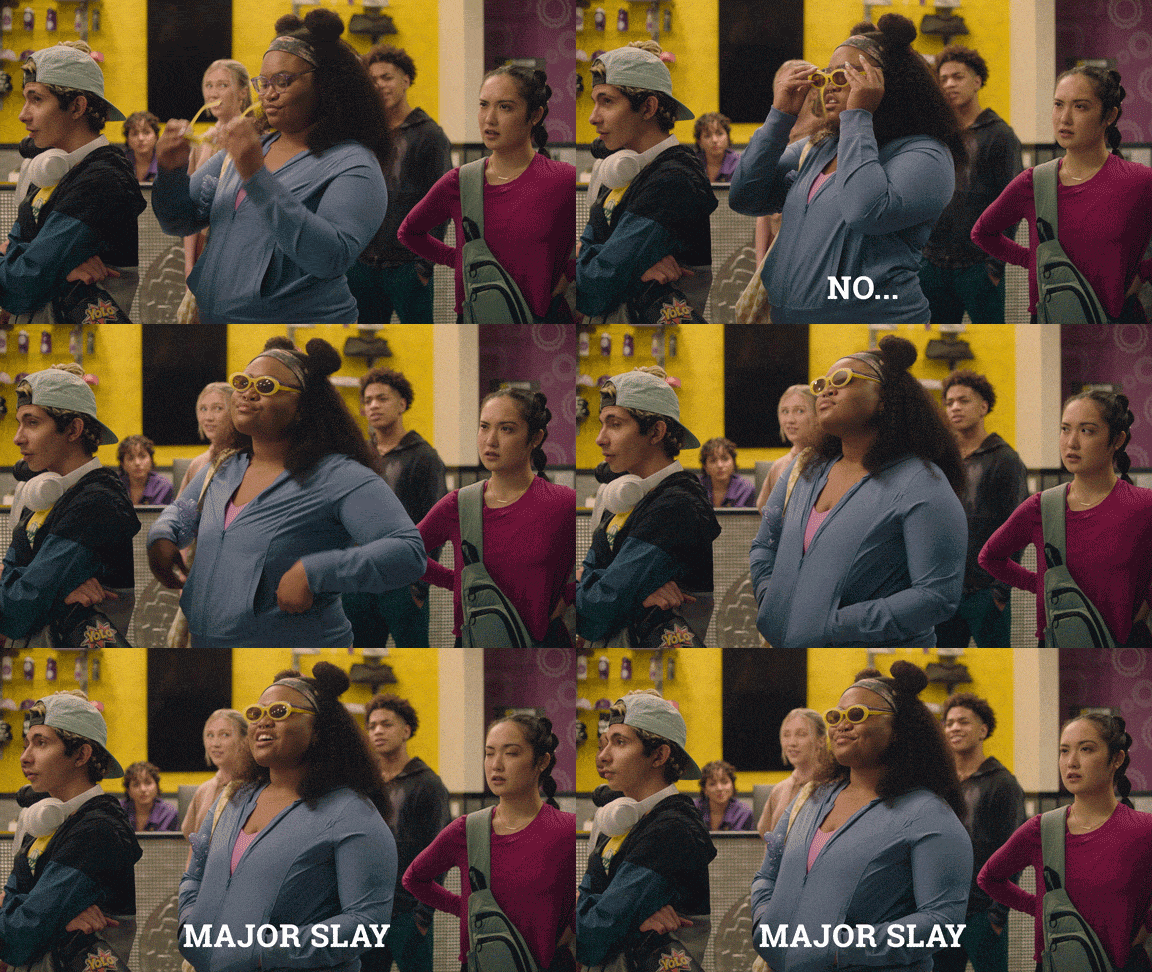
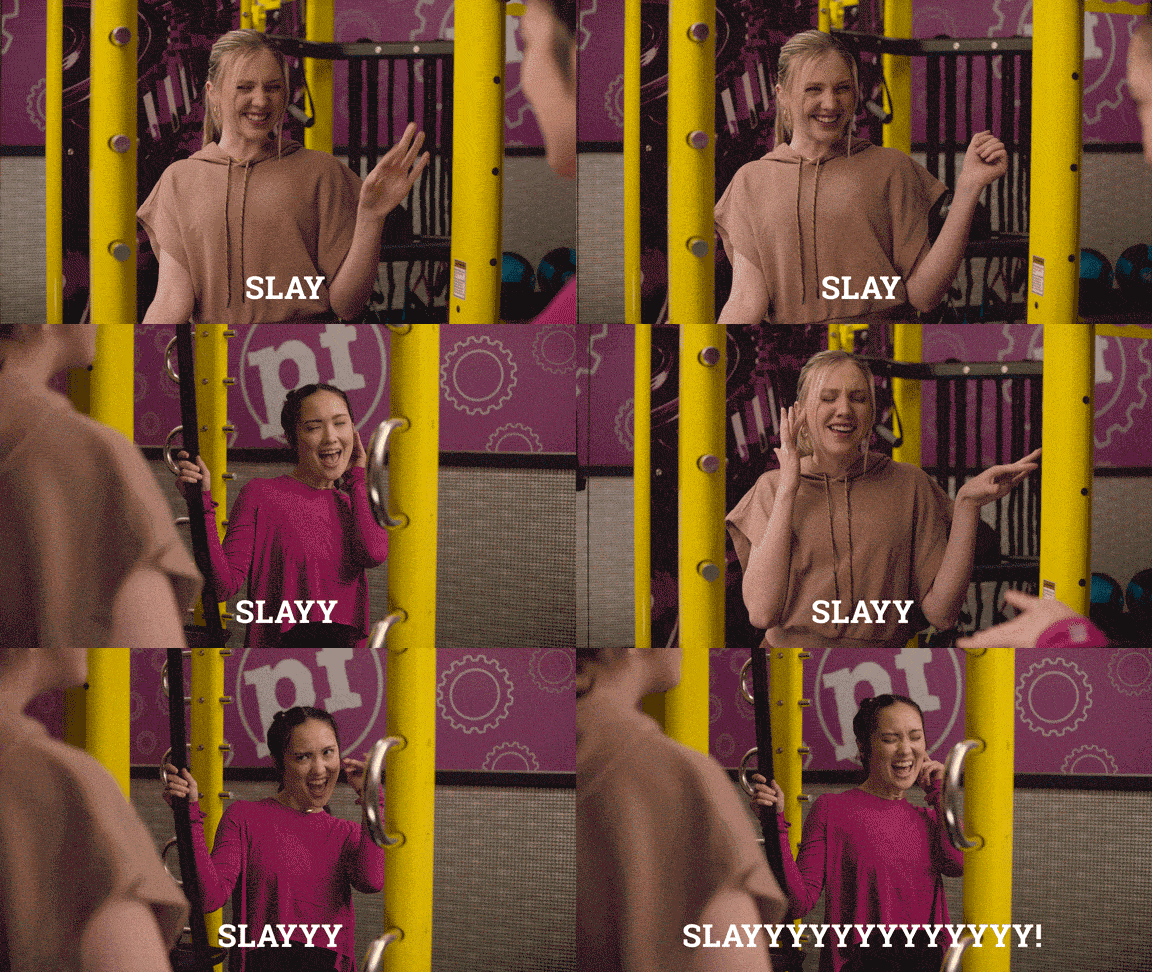
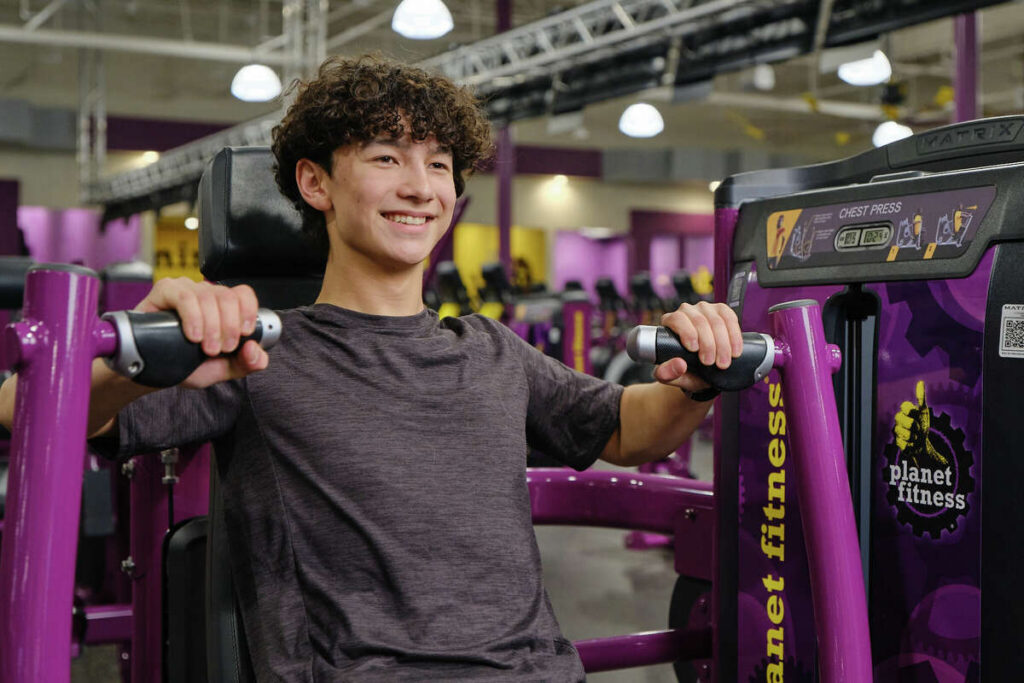
Cardboard Spaceship led full-service video production, bringing the episodic vision to life across a scalable content system built for social platforms.
Our scope included, creative collaboration with agency and client, production design for serialized storytelling, multi episode filming optimized for vertical and short form formats, directing performance to capture authentic teen energy, and post production, editing, and finishing across a high volume of deliverables.
Director: Brad MorrisHead of Production: Michael SapienzaExecutive Producer: Matt EngelkingLine Producer: Wojtek StypkoDirector of Photography: Chad LeathersAgency: BarkleyOKRPPost: Whitehouse PostAudio: Post HausMusic: Primary Color Music
In this episode of Tacit, We spent time with Christophe Laudamiel, master perfumer at Osmo and the mind behind scents you already know by heart including Polo Blue, Abercrombie & Fitch Fierce, and Tom Ford’s Amber Absolute. This episode is part of Tacit, Stripe’s mini-doc series about mastery and the kind of knowledge you can’t Google. In perfumery, the real work lives in instinct – how a scent moves, shifts, settles, and becomes iconic over time. Grateful to help tell a story where craft leads the way. Christophe’s work demonstrates how mastery emerges through sustained engagement with complex systems. Tacit is a series about that kind of mastery, and why it matters.
Learn more about Tacit, a mini-documentary series from Stripe Press about mastery and the value of craft.