



Nobody holds a meeting about where footage comes from. A launch needs shots, the timeline is tight, somebody charges a subscription or a generation credit, and the work ships. Then it happens again, and again, and the pattern hardens into a habit. In our experience that’s how footage sourcing actually works: not a decision, an accumulation. Two years of it and a brand is running a visual identity assembled from material other people made, none of it owned, some of it live in a competitor’s ad that same week.
There are three ways to get footage: generate it, license it, or commission it. Teams choose poorly because they compare the cost of a clip today – instead of what the material has to do over the next two years. They price the clip instead of the asset – the one that pays back the longest: footage shot for them, that only they can use. That single substitution is what leaves brands paying repeatedly for footage they never come to own.
Three footage options
Here’s a short breakdown:
- AI-generated video is fast and cheap, and under current U.S. law a purely generated clip cannot hold copyright at all, so your competitor can run the same shot.
- Licensed footage from a real filmmaker-sourced library gives you cinematic material with a documented rights record, and it’s the right answer when you need a specific shot – right now.
- Custom stock footage, shot to your brief and licensed to you, gives you all of that plus the thing the other two cannot offer at any price: material that exists nowhere else, that you control, that keeps producing assets for years. Price the footage by what it has to do over the next two years, not by the individual clip.
A note on where we sit
We’re on the supply side of this market. We shoot footage, we clear it, we manage the rights, and we license it. Our existing collections live on Filmsupply, which licenses cinematic work from established production companies rather than aggregating clips from anywhere, and we build custom libraries for brands that need material nobody else can access.
So, this is not a neutral comparison, and we’d rather say that plainly than pretend otherwise. Read it the way you’d read a seller’s disclosure: written by the seller, yes, but the seller is the one who knows which floorboards creak.
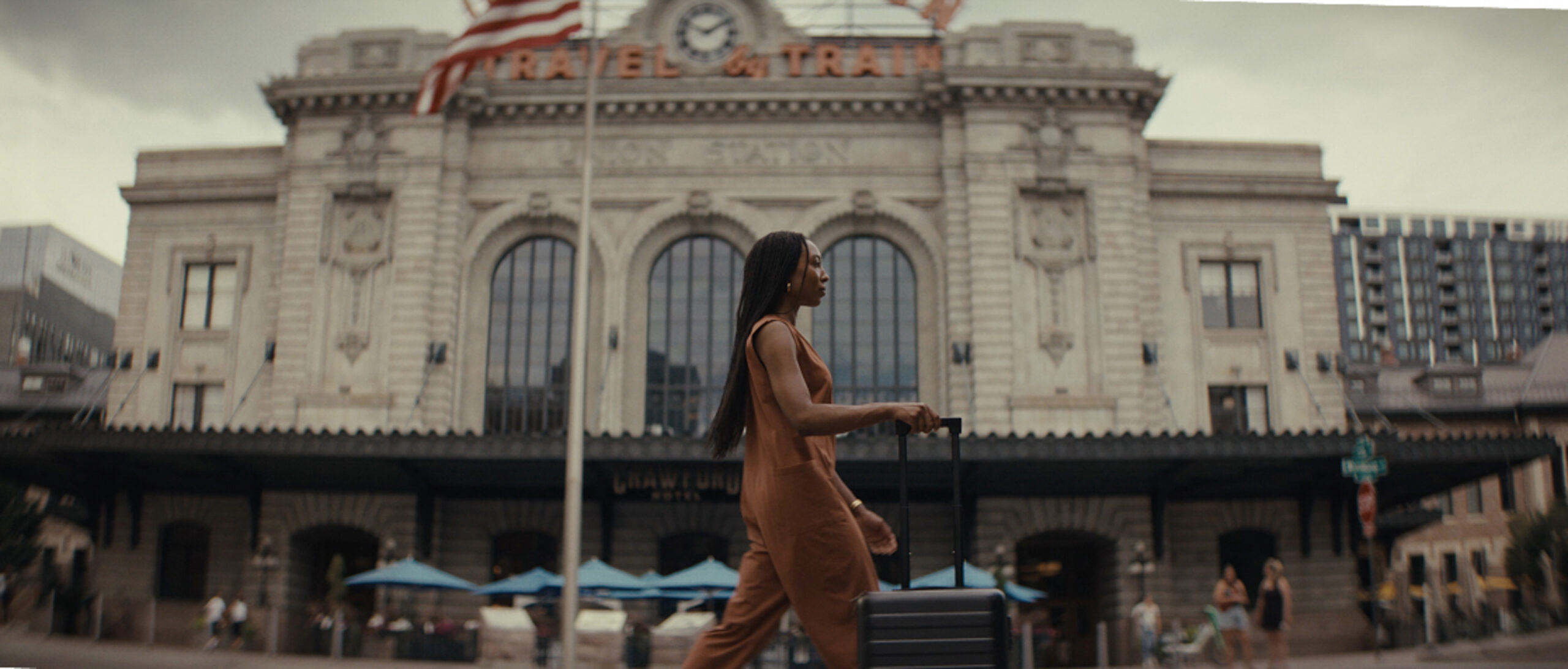
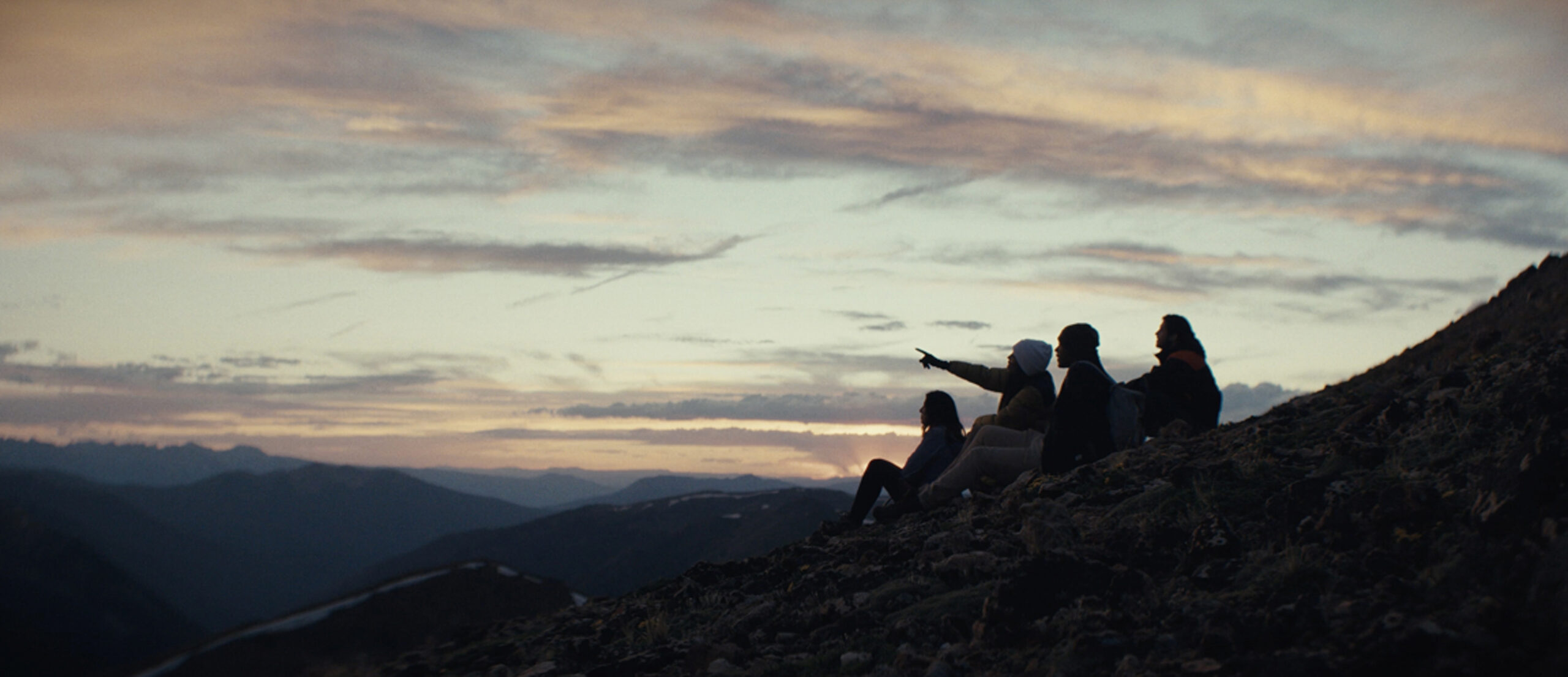
What are you actually buying when you buy footage?
You’re buying three things, and the clip is only the one you can see: a set of rights, an exclusivity position, and a shelf life.
- Rights decide whether you can use the shot where you want, for as long as you want, without someone else’s permission.
- Exclusivity decides whether the shot stays yours or turns up in a competitor’s campaign next quarter.
- Shelf life decides whether you’re paying for this again in eighteen months.
AI-generated video is weak or unsettled on all three. Commodity marketplace stock is usually fine on rights and poor on the other two: thousands of buyers hold the same clips, the sources are unrelated to each other, and no continuity from one clip to the next – which is why footage assembled that way rarely cuts together into anything that feels like one brand. Curated licensed footage, the kind that comes from real productions rather than a submissions pipeline, is strong on rights and genuinely strong creatively, and it’s shared by design. Custom footage is the only option where you set all three variables yourself.
So the real question isn’t licensing or custom. The question is whether your brand’s look is something you own or something you rent. Most brands never notice they’ve made the choice.
What does each footage option actually give you?
Licensed footage: cinematic material with a clean record
Licensed footage is material someone shot, someone appeared in, and someone cleared. A professional license from a reputable source should give you three protections:
- Provenance – the paper trail. Who shot this, where, and how it got to you, documented.
- Talent releases – the permissions. Everyone recognizable in the frame signed off on your commercial use, in writing.
- Indemnification – the backstop. If someone sues over the footage, the licensor steps in front of you and covers the cost.
The word “stock” hides an enormous range of products. At one end sit open marketplaces aggregating footage from thousands of contributors, sometimes with limited visibility into how any individual clip was produced. At the other sit curated libraries built from real commercial productions, where the material came off a real set with a crew, a director, a producer, cleared talent, and an established clearance process behind it. Both get called stock footage. They are not the same product, they don’t deliver the same result, and only one of them enters a premium brand film without immediately announcing itself as a stock shot.
Our collections sit on Filmsupply for exactly that reason. The platform licenses work from production companies rather than running an open submission marketplace, so what you’re licensing came from professional sets and established production teams.
Licensing is usually the right call when:
- You need a specific shot within days
- The scope doesn’t justify a crew
- You’re filling gaps around footage you already own
- You need a location or season that would be impractical to produce
- You want to see the quality bar before committing to a larger build
What licensing doesn’t give you, by design, is exclusivity. Other brands can license the same material. That’s a fair trade while the footage supports your story. It gets harder to justify once the footage starts to define it.
AI-generated video: four gaps in the record
Generation gives you speed, volume, and creative flexibility, and for some projects those benefits genuinely outweigh the limitations. What it cannot give you is a record. For public-facing brand work, the ownership and rights record still has four specific gaps:
- No release exists. No talent signed one, because no talent exists. Yet that doesn’t eliminate likeness risk, which begins the moment an output resembles a real person or reproduces identifiable characteristics like a face or a voice. The law here is a moving patchwork: Tennessee’s ELVIS Act extended publicity rights to AI voice simulations in 2024, roughly two dozen states have followed with digital-replica statutes, and the federal NO FAKES Act cleared Senate Judiciary unanimously this June.
- Training rights are unsettled. Courts are still determining how copyright applies to the material used to train generative models. Getty’s suit against Stability and the consolidated artist class actions remain live, with no final word on whether that exposure reaches the brand that ran the output in an ad.
- Nobody holds copyright. A purely AI-generated clip cannot hold U.S. copyright. The Copyright Office said so in its 2025 report, and the Supreme Court let that stand this March when it declined Thaler v. Perlmutter. Sit with what that means for a brand: you cannot stop a competitor from running the same footage, in your category, in the same quarter. You paid to create it, and it never becomes an asset you own.
- Protection depends on the tier you signed. Free and consumer plans generally hand the legal risk to you. Some enterprise tiers, including Adobe Firefly, Microsoft, and parts of OpenAI’s enterprise offering, now provide indemnification against certain copyright claims, which is real progress. But copyright indemnification is not a talent release, and it doesn’t reach likeness, publicity, or trademark exposure. A platform can stand behind its model. It cannot obtain a release from an AI-generated person that happens to resemble a real one.
Custom stock footage: the record and the asset
Custom stock footage is material shot to your brief and licensed to you. Sometimes that’s a commissioned shoot built around a single campaign. More often the stronger investment is a purpose-built library designed to feed everything the brand expects to produce over the next several years.
It uses the same crews, cameras, production standards, and clearance processes as premium licensed work. The difference is that every decision gets made around your brand: your people, your products, your facilities, your locations, your visual language, your content calendar. The production record is clean because you commissioned the work. Releases get collected on the day and attached to the assets. Usage terms are written for what you actually need. Exclusivity is available.
Rights coverage is the foundation, not the reason. The business case is what a library does to your cost, your speed, your consistency, and your competitive position.



What does custom stock footage actually do for a brand?
Four things worth the money, and only the first one is about risk.
Generated video reflects the patterns in its training data. Marketplace stock gravitates toward its bestsellers. Both roads arrive at the same visual shorthand: the sunlit open-plan office, the slow push toward a laptop, the hand reaching for the product, the drone pulling back over the coastline. That’s how two competing brands end up speaking in nearly identical pictures, and occasionally running the identical clip.
Custom footage changes the structure of that problem rather than treating its symptoms. Instead of trying to make shared material feel distinctive in the edit, the distinction starts at production: your environments, your product, your people, your framing, your grade, your movement. The work looks like your brand because it could not have been made for anyone else, and nobody can license it out from under you because it exists nowhere else.
Most comparisons put a shoot day next to a clip price and stop there. The metric that matters is cost per deployed asset over the useful life of the footage. One well-planned library shoot can support the campaign it was commissioned for, the paid social cutdowns, the organic social calendar, the site refresh, product launches, sales presentations, recruiting content, trade-show loops, executive communications, investor updates, and next year’s brand work.
After production, the cost of those assets becomes an edit rather than another shoot. The investment looks expensive exactly once, on the day. The footage keeps working long after that.
This is the benefit brands underrate going in and the one they notice first once they have it. It’s Thursday, something moves in your category, and the window to say anything is about four days wide. Without a library, that starts with a scheduling call: crew availability, a location, talent, maybe a permit, and by the time everything is booked the moment has closed.
With a library, it starts in the edit bay. Same idea, same brand, entirely different outcome, decided months earlier by whether the shelf was stocked.
A media buy ends. A well-built library doesn’t. Years after the original shoot, the material is still generating new edits, new campaigns, new presentations, and new brand moments – at zero marginal production cost. It also does something quieter and more valuable: it establishes a consistent visual language that you fully own. That’s the difference between an expense and an asset, and it’s the whole argument in one line.
How do you commission footage that lasts?
Most custom shoots underdeliver for a boring reason: the team scoped a campaign and got campaign footage. Beautiful, on-brief, and useless three months later. A library shoot is a different animal, and the differences are consistent enough that we can list them.
- Shoot for coverage, not only for the cut. A campaign shoot captures what the storyboard requires. A library shoot captures each important setup wide, medium, and tight, horizontally and vertical-safe, with and without talent, with clean handles and enough duration to survive several editing styles. Same day, same crew, marginally more time, several times the yield.
- Scope from the content calendar, not the concept. Before anyone writes a shot list, write down everything the brand will need to produce over the next eight quarters. Campaign, social, sales, recruiting, culture, executive, investor relations, and events. The gaps between what those teams will need and what already exists become your shot list.
- Capture the unglamorous material. The most-used clips in every library we’ve built are rarely the hero shots. They’re hands on the product, the room at working pace, the transitional beats an editor needs to get from one idea to the next. Nobody storyboards those. Everybody needs them.
- Clear everything on the day. On our sets, a clip doesn’t enter the library without a release, because bolting a paper trail on afterward never really works. Rights management shouldn’t become a cleanup project. Talent releases, location permissions, and product clearances get collected during production and attached to the assets they cover. Signed on the day, filed with the asset, done.
- Make the library findable. An unorganized library is a hard drive nobody opens. Assets need tagging, categorization, useful transcodes, linked releases, documented usage terms, and search that works by subject, location, talent, product, and action. A library creates value only when the people who need it can find what’s in it.
None of that requires a larger production budget. It requires deciding, before the truck rolls, that this footage has a job after this campaign.
License or commission: which one fits?
We do both, so here’s the honest distinction.
-
LicenseWhen you need a specific shot inside a week, the budget doesn't justify a crew, you're filling gaps around footage you already own, or you want to see the quality bar before committing to a build. Curated licensed footage solves a real problem, and it solves it today.
-
CommissionWhen the footage is going to carry your brand rather than support it. When you'll produce content continuously for the next two years and want to stop buying it piecemeal. When your product, facility, or people are the story and no library on earth contains them. When you can't afford for a competitor to run the same frame. When the numbers only work if the material keeps earning after the campaign ends.
The pattern we see most often goes like this. A brand licenses campaign by campaign for a year or more. Somebody eventually adds up the invoices and finds real money spent on material the company still doesn’t own or control. They commission a library, and it costs less than the eighteen months of piecemeal licensing that preceded it. Nobody planned that spend. It just accumulated, the way these things do.
What happens when the record is thin?
The failure mode isn’t usually a lawsuit. It’s an ordinary Tuesday.
The hero spot gets pulled two weeks into flight while somebody hunts for a release. The agency has to recut around a clip it can’t clear, at your cost, against your launch date. The founder video for the funding announcement gets quietly shelved because nobody can say where the b-roll came from. A launch date slides while legal, procurement, the agency, and the footage provider work out whose problem it is. The brand pays for the new edit, the delayed media, the missed window, and all the internal hours in between.
Companies in regulated industries or speaking to investors carry legal and reputational exposure on top of all that. Most brands never face the legal version. The operational one is expensive enough: a pulled campaign and a rebuilt edit can cost a marketing team most of a quarter it had already spent.
The reason it keeps happening is that footage sits in a blind spot in how work gets approved. Ask a review team to read a script and every sentence gets scrutiny: claims challenged, disclosures revised, individual words through several rounds. Ask who holds the release for the person appearing underneath those words, and the room goes quiet. We’ve watched this play out inside global financial institutions, where the review process is as rigorous as it gets anywhere, and the pattern holds even there. Legal reads every line. Nobody asks the same questions about the pictures. If the gap exists there, it exists on brand teams working with lighter review and faster turnarounds.
When does AI-generated video make sense?
Generation is genuinely useful whenever the footage isn’t being treated as a final, defensible brand asset. Internal previsualization, mood boards, early concept exploration, pitch materials, storyboards, animatics, rough cuts that unlock production approval, testing creative directions before committing budget – the low-stakes surfaces where speed beats the paper trail. (What the flood of generated content is doing to audiences’ appetite for the real thing is a separate argument, and we’ve made it here.)
The distinction isn’t whether the technology works. It’s how much exposure the finished material will face. A private concept presentation carries one level of risk. A paid social flight, a homepage film, a national spot, an investor presentation, or a product launch carries another. The line is exposure, and it arrives earlier than most teams assume.
What should you ask before you license a frame?
Four questions, at the decision level:
- Who created it – and can the licensor document the source and production history?
- Who appears in it – do signed releases cover commercial use in your channels, territories, and term?
- Who stands behind it – what indemnification applies, under what circumstances, and to what limit?
- What happens to your campaign if the footage becomes unavailable – can the clip be pulled, can the license lapse, and can the edit you’ve already cut stay in-market?
Clear answers, delivered in writing, usually mean a serious source. Vague answers usually reveal what the lower price was actually buying. The full plain-language walk through licensing terms deserves its own piece, and it’s coming, but these four will keep you out of most of the trouble.
Price the decision properly
The loudest voices in the AI-versus-stock debate mostly sell generation tools, and even they concede that authentic footage with a real paper trail is what survives high-stakes commercial work. The industry identified the category that holds up under scrutiny, but hasn’t explained why that category is valuable from the perspective of the people who actually produce it. That’s the part we can speak to.
So price the decision properly. A generated clip solves a creative problem quickly and leaves you owning nothing. A licensed clip solves an immediate production need with cinematic quality and a documented record, shared with whoever else licenses it. A custom library becomes something different in kind: an exclusive content asset that lowers future production costs, keeps the brand cohesive across departments, and lets your team move at the speed of the moment for years.
We license our collections through Filmsupply, and we build custom libraries for brands that need footage nobody else can access. When a company is weighing the two, we start with what it expects to produce over the next several quarters. Sometimes the library obviously earns its keep. Sometimes the smarter answer is to license the six shots the campaign actually needs, and we’ll say so. Either way, the point is to decide deliberately, before another year of footage spend quietly accumulates. Our Licensed Stock Footage page covers how purpose-built collections come together.
Frequently Asked Questions
Four: exclusivity, since nobody else can license material shot for you; lower cost per deployed asset, since one library shoot feeds campaigns, social, sales, and recruiting for years; faster turnaround, since reactive content starts in the edit bay instead of a production cycle; and a complete rights record, since releases get collected on the day.
Scope from your content calendar rather than a clip count. List what the brand will produce over the next eight quarters across campaign, social, sales, recruiting, and executive needs, then build the shot list from the gaps. Most libraries underdeliver because the team scoped a single campaign and got campaign footage.
For low-scrutiny surfaces like internal previews and concept tests, generally yes. For public-facing work the risk remains unresolved: no talent releases exist, the courts are still fighting over the data the models trained on, and while some enterprise tiers now indemnify against copyright claims, consumer plans typically pass the legal exposure to the user, and no tier covers likeness.
Under current U.S. law, nobody. The Copyright Office holds that purely AI-generated content cannot receive copyright, and the Supreme Court left that rule intact in March 2026 by declining Thaler v. Perlmutter. You can use the clip commercially, but so can anyone else, because no one owns it.
Indemnification is the licensor’s contractual promise to defend you and cover losses if the footage triggers a claim, for example from someone who appears in it. Note that AI-platform indemnification, where offered, covers copyright claims only; a footage licensor’s indemnification stands behind the talent releases too.
Licensed stock footage is existing material you license under defined terms, shared with other licensees by design. Custom stock footage is shot to your brief, with releases collected for your exact use and exclusivity available: a library your brand controls rather than shares. Licensing solves an immediate need; a custom library becomes an asset that produces content for years.
When you’ll produce content continuously rather than campaign to campaign, when your people, product, or facilities are the story, when exclusivity matters competitively, or when your annual licensing spend has quietly grown past the cost of a shoot day. Many brands license for a year, then commission a library that costs less than the licensing did.
