


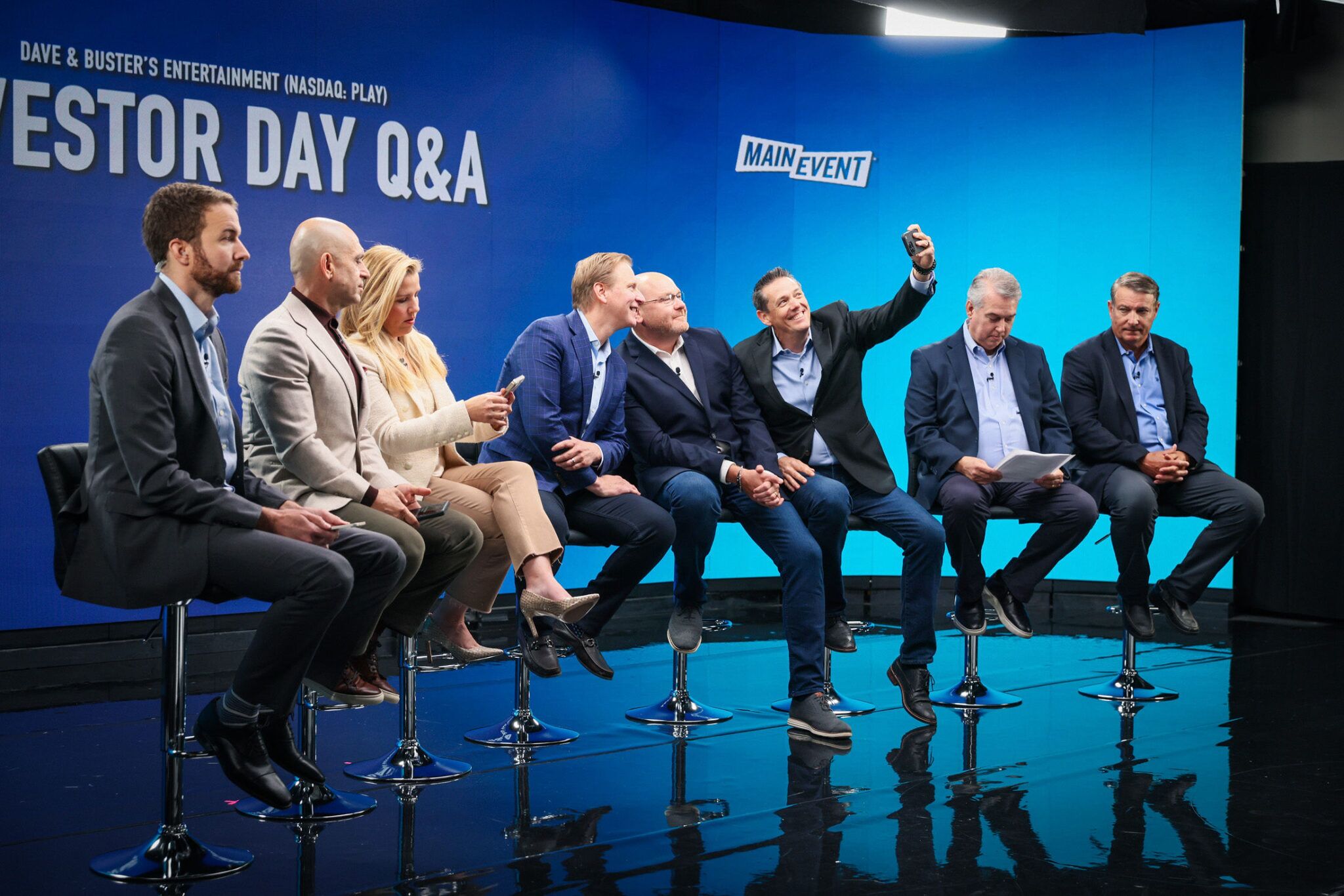
An Investor Day puts your strategy in front of the people who will test it. The planning job is to decide what investors need to understand, what evidence will support it, and how leadership will deliver it to the room and the remote audience.
Start with those decisions before you book filming days or build the deck. A clear plan gives IR, leadership, legal, design, and production one set of priorities – and makes late changes easier to judge.
Key Takeaways
- Set the investment thesis and the questions the program must answer before production begins.
- Match each speaker, film, and slide to a specific piece of evidence.
- Plan rehearsal, broadcast, Q&A, and post-event reuse as connected workstreams.
Understanding the Importance of Investor Days
Use an Investor Day to explain the choices behind the numbers: where the company will invest, how its businesses fit together, and what progress investors should watch. The event gives leadership time to connect those choices in a way a quarterly update may not.
Why Investor Days Matter – Your One Chance
Ask one practical question at the outset: what should an analyst understand after the event that they cannot understand from your current materials? That answer should shape the agenda, the speakers, and the evidence you commission.
Benefits for Companies and Investors
A useful program gives investors access to the people and operations behind the investment thesis. It also gives the company a clear record of its strategy. Plan for both: a live discussion with room for questions, and materials investors can return to afterward.
The scope of the program determines the plan. Terex’s 2022 Investor Day required five executive segments filmed across Seattle, New Jersey, and Ireland under one visual system. CF Industries’ 2025 program connected six facilities, executive video, 3D animation, presentation design, and a live global broadcast. Make those decisions before the event calendar starts dictating the story.
When should Investor Day planning start?
Investor Day planning should begin 9–12 months before a complex event, especially when the program includes a venue, multiple executives, original video, or a hybrid audience. Aim to lock the core narrative and most scripts 4–5 months ahead so leadership, legal, IR, design, and production teams have time to build, rehearse, and test the experience.
Our Investor Day Production Playbook maps the complete timeline from strategy and scripting through filming, rehearsal, broadcast, and post-event reuse.
Setting Clear Objectives
Write down the questions the event must answer. Which part of the investment thesis needs more evidence? Which business deserves a closer look? What has changed since the last public strategy update? Agree on those priorities with leadership before each team starts building its own section.
Choosing the Right Production Partner
Choose a partner who can explain who owns the run of show, content approvals, venue coordination, broadcast, and rehearsal. Ask how those workstreams connect. A beautiful film that misses the script deadline still creates a problem for the live program.
Crafting a Compelling Message
Build the narrative around the decisions investors need to assess. Connect the long-term ambition to near-term operating priorities, capital allocation, and milestones. Then use pre-production planning to identify the speakers, footage, graphics, and demonstrations that can make each point concrete.
Balancing Strategic and Tactical Content
Give every section a job. Strategy establishes the direction; operating detail shows how the company intends to get there. A facility film, segment presentation, or customer interview should answer a specific question in that sequence. Cut material that repeats a point without adding evidence.
Showcasing Leadership and Getting Beyond the C-Suite
Bring in operating leaders when they can explain something the C-suite cannot show as directly. A plant manager can walk through a process. A business-unit leader can connect a growth plan to the work underway. Prepare each speaker around that contribution rather than giving everyone a smaller version of the CEO’s presentation.
Check the handoffs between speakers. Investors should hear one coherent story, with consistent definitions and measures, even as the program moves between businesses and locations.
Maximizing Investor Day Success with Premier Video Production
Plan original video production around the evidence you need. Facility footage, executive interviews, customer perspectives, and animation each solve different problems. Decide their role in the program before a crew arrives on location.

Importance of High-Quality Video Content
Show the operation when the operation is the proof. Choose footage that makes capacity, workflow, scale, or customer value easier to understand. Give the crew a shot list tied to the narrative, and leave room for useful details they discover on site.
Engaging Remote and Live Audiences
Design for the room and the webcast together. Remote viewers need legible slides, clean audio, clear speaker identification, and access to the same questions as the people in the venue. Test those elements through the actual broadcast path, including platform integration and playback.
Enhancing Engagement through Strategic Video Production
Build transitions into the run of show. Decide how a film hands back to the speaker, how graphics support a live explanation, and who cues each change. Rehearse those moments with the people who will call and execute the show.
Best Practices for Investor Day Presentations
Start presentation design while the narrative is still taking shape. Establish a consistent approach to charts, segment comparisons, and key messages. Review slides for the back of the room and the webcast screen, not only on the laptop that created them.
Coach executives against the real materials. Work on the transitions, the meaning behind each chart, and the answers they need to give without reading a script. Camera framing, eyelines, and pacing matter because they affect how clearly the audience follows the explanation.
Choose where video helps the audience see something a slide cannot. A process walkthrough or a customer interview can earn its place; a montage that repeats the speaker’s message may not. Keep the editorial question simple: what does this asset help an investor understand?
Plan the deliverables beyond the event. Capture clean interview answers and useful operational footage, and agree on cutdowns, captions, and follow-up edits before filming. That preparation gives the IR team material it can use throughout the year.
Conducting Thorough Rehearsals
Run a rehearsal with the deck, films, microphones, speaker positions, and show cues. A table read can test the story; a technical rehearsal tests whether the production can carry it. Schedule both, with time afterward to fix what you find.
Rehearse in conditions that match the event. Check playback, screen legibility, audio, camera positions, and venue logistics. The NYSE planning guide covers the access and coordination questions to resolve before you arrive.
Test the failure paths as well as the planned sequence: a late speaker, a missing video cue, an audio problem, or an interruption during Q&A. Name the person who makes the call and the person who executes the backup.
Give Q&A its own rehearsal. Work through likely questions, decide who answers which topics, and test how remote questions reach the moderator. Protect enough time for follow-ups rather than treating questions as the final item you squeeze into the schedule.
For a mixed audience, use the virtual and hybrid Investor Day guide to check the relationship between speaker preparation, the room, and the broadcast.
Creating Long-Term Investor Relations Strategies
Decide who owns the event’s afterlife. Set a timetable for publishing the replay, presentation, transcripts, and follow-up content. Keep the investment thesis and the terminology consistent as those materials move into earnings updates and other investor communications.
Aligning Company Updates with Investor Day Messages
Build the follow-up calendar around the questions the event raises. Use year-round investor relations content to explain milestones, revisit operating priorities, and show progress against the strategy leadership presented.
Building Trust and Transparency
Keep the public record easy to follow. Use the same definitions across the deck, films, replay, and subsequent updates. When plans change, explain the change directly and give investors the context they need to assess it.
Conclusion
The most useful planning decisions happen early: what the event must explain, what evidence the team needs, who owns each workstream, and how the audience will experience the story.
Use the Playbook for the full production sequence. Use this planning pass to settle the choices that sequence depends on – before calendars, locations, and approval deadlines narrow your options.
A strong plan gives every team a clear job and every asset a reason to exist. That is how an Investor Day becomes a coherent explanation of the business.
