
Each type needs video production tailored for smooth delivery, clear visuals, and strong storytelling. Your choice depends on your audience size, location, and how you want to engage viewers.
To create a successful investor day video, focus on clear communication with your team. Set specific goals and map out a detailed schedule.
These steps help make sure your message is sharp and your production runs smoothly.
Work closely with your executive team, investor relations staff, and marketing groups. Get input from key players early to align the story you want to tell.
Regular meetings keep everyone on the same page. Adjust plans based on feedback.
Make sure each stakeholder understands their role in the production. Clear communication channels reduce delays and help solve problems quickly.
Define exactly what you want your video to achieve. Whether you need to explain new strategies, highlight achievements, or boost investor confidence, your goals guide the production.
Use specific aims like improving shareholder understanding or increasing engagement during the event. This clarity shapes your script and visual style.
List these objectives to share with your team. It keeps your message focused and helps measure the video’s success after the event.
Create a timeline that covers every step, from scriptwriting to final edits. Include deadlines for filming, feedback rounds, and approvals.
Break the timeline into clear phases: pre-production, production, and post-production. Assign responsibilities to team members at each stage.
Keep buffer time for unexpected delays. A detailed schedule ensures you meet your investor day on time with polished content.
Strong preparation sets the stage for an effective investor day video. Focus on crafting a clear script, planning visuals, and choosing the right location.
These steps ensure your message is precise, engaging, and professional.
Your script is the foundation of your video. Write with clarity and precision to communicate key messages confidently.
Use simple language and avoid jargon to make your points easy to understand. Focus on what investors want to hear—company strategy, growth outlook, and financial highlights.
Keep sentences short and direct. Include a strong opening to grab attention and a clear call to action at the end.
Script transitions smoothly between segments. This keeps your story flowing and helps viewers stay engaged.
Plan for natural pauses to allow important points to sink in.
Create a storyboard to map out every shot and scene before filming. This helps you visualize the flow and ensures all messages get proper emphasis.
Use visuals to support your script. Charts, graphics, and footage of leadership or operations add credibility and break up talking heads.
Plan a mix of live and pre-recorded elements to maintain interest. Think about pacing—don’t overload viewers with too much information or heavy visuals at once.
Clear, simple imagery works best for sharing complex financial details.
Choose a setting that reflects your company’s professionalism and brand identity. A clean, well-lit space is essential for clear visuals.
Consider backgrounds that are neat and free from distractions. Executive offices, boardrooms, or studio settings work well.
If filming in multiple locations, keep lighting and style consistent. Sound quality matters.
Use quiet spaces and test audio before filming. A good microphone and minimal echo make your video easier to watch and more polished.
To create a professional investor day video, use the right tools, good lighting and sound, and reliable streaming options. Each part plays a key role in making your message clear and engaging for investors.
Choose high-definition cameras that capture sharp, crisp images. DSLR or mirrorless cameras work well for controlled environments.
For a dynamic look, use multiple cameras to capture different angles. Use sturdy tripods to keep shots steady.
Have backup batteries and memory cards ready to avoid interruptions. Use lapel mics or shotgun mics to capture clear speech without background noise.
Good audio equipment is as crucial as good video quality when you want investors to focus on your message.
Proper lighting makes your video look polished and professional. Use softbox lights or LED panels to avoid harsh shadows.
Position lights to brighten faces evenly, reducing glare and preventing dark spots. Control ambient noise by filming in quiet spaces or using soundproofing materials.
Use directional microphones and sound mixers to improve audio clarity. Test sound levels before filming begins to catch any issues.
Add a bounce board or reflector to soften the lighting and give a natural look. Aim for consistent lighting throughout the shoot to keep a clean and uniform appearance.
If you host live sessions, pick a streaming platform that supports high-quality video and easy access for investors. Options like Zoom, Vimeo, or YouTube Live are popular for their reliability and features.
Use hardware encoders or streaming software like OBS Studio to manage your broadcast smoothly. Test your internet speed beforehand—upload speeds should be strong to prevent buffering or dropped connections.
Have a technical team monitor the stream during your event. They can quickly solve issues like audio lag or video freezes, ensuring your live presentation runs without hiccups.
Post-production shapes how your message comes across after the shoot. This phase involves adding your company’s brand, making data easy to understand, and keeping viewers interested throughout the video.
Each step helps your investor day video feel professional and clear.
Use your brand’s colors, fonts, and logos in post-production to make your video feel like part of your company. Match everything to your usual look so investors recognize your message instantly.
Add lower-thirds with your company’s font and place your logo on every slide or scene. Be consistent with color schemes—stick to your corporate colors like navy, gray, or white for a clean, polished feel.
Sound also plays a part. Use branded music or carefully chosen sound effects to reinforce your company’s identity without overwhelming the content.
Clear visuals make complex data easier to grasp. Use charts, graphs, and icons to highlight key numbers and show trends in a simple way.
Animated graphics help hold viewers’ attention while explaining important facts. Keep graphs clean and uncluttered.
Label everything clearly and use colors that line up with your brand. Avoid too much text—focus on visuals that tell the story quickly.
Use callouts or arrows to point out what matters most in the figures. This guides your viewers’ eyes right where you want them.
Your video needs to keep viewers watching from start to finish. Tight editing removes long pauses or repeated points so the message stays strong and focused.
Mix live-action and pre-recorded clips to create variety. Use smooth transitions, but avoid distracting effects.
Short clips of executives speaking directly help build connection and trust. If you have Q&A segments, edit them carefully so answers are clear and relevant.
Balance formal investor tone with a friendly pace to hold attention and boost confidence in your story.
To keep your investors focused during your video presentation, use tools and strategies that grab attention and encourage participation. Features that allow interaction, real-time responses, and easy access later help you connect better and make your message stick.
Interactive elements like polls, clickable slides, and on-screen prompts help you engage your audience. These features invite viewers to take part instead of just watching passively.
For example, adding quick polls during key points lets investors share opinions, giving you instant feedback. Use interactive charts or graphics that let users explore data at their own pace.
This makes complex information easier to understand. Keep interactions simple and clear to avoid distracting from your message.
Interactive tools increase engagement and keep your presentation dynamic. You want your audience actively involved, not just watching silently.
A live Q&A session helps maintain connection with your audience. When investors can ask questions during or after your presentation, it shows you value their input.
Real-time answers build trust and demonstrate transparency. Use moderation tools to filter questions before they go live.
This ensures you address the most relevant and important topics. Make sure your tech setup supports quick switching between speakers and questions without lag.
If your event is virtual or hybrid, enable live chat or video calls for Q&A to increase accessibility. Set clear guidelines on timing and types of questions to keep the session focused and productive.
Making your Investor Day video available after the event is crucial. Recording your session means people who missed the live event can still watch it on their own schedule.
Provide easy on-demand access through a secure platform with simple navigation. Add searchable transcripts or chapters to help viewers find specific information quickly.
Offer downloadable versions in multiple formats to suit different devices. Clear instructions on how to access the recording improve user experience and ensure your message reaches a wider audience beyond the live event.
To know if your investor day video production is working, start by tracking key metrics. Look at viewer engagement, such as watch time, drop-off points, and repeat views.
These help you understand how well your video holds attention. Next, measure audience reach.
Note the number of unique viewers and how many shareholders or investors tune in. This shows how far your message is spreading.
You should also track feedback and sentiment. Collect responses from viewers through surveys or direct comments.
Positive feedback suggests your video builds trust and confidence with your audience.
Measuring return on investment (ROI) is key too. Compare the cost of producing the video to the value it brings, like increased investor interest or clearer communication.
You might see ROI in new investments or smoother shareholder relations. Using these metrics will help you improve future videos and clearly show how your Investor Day production supports your goals.
Picking the right partner for your investor day video is key to delivering clear, professional, and engaging content. You want a team that understands your specific needs, asks the right questions, and has real experience with investor-focused events.
This choice shapes how well your message connects with investors and analysts.
Look for a partner who combines investor relations expertise with creative storytelling skills. They should deliver polished, precise content suited for high-stakes presentations.
Trust and professionalism are critical since you’re sharing sensitive company information. The partner must handle your message with discretion and a clean, corporate tone.
At the same time, creativity keeps investors engaged. The right vendor balances a corporate style with cinematic visuals that hold attention.
Pick a team that acts as an extension of yours. They should be responsive, flexible, and focused on producing your vision with high standards.
When you speak with vendors, ask specific questions like:
These questions help you understand whether they meet your needs for accuracy, collaboration, and smooth execution under pressure.
Also, ask about timelines and whether they offer live, pre-recorded, or hybrid production options. Make sure their services fit your event format and audience.
Experience with investor day events matters because these productions are very different from typical marketing videos. Your partner should know how to highlight key messages, strategic initiatives, and financial guidance clearly to analysts and shareholders.
A seasoned vendor has handled live webcasts, multi-camera shoots, and blended live and recorded segments. This expertise means fewer surprises and smoother delivery.
Look for proof of successful investor day projects, such as videos that increased market engagement or earned positive feedback from investors. Their familiarity with the IR landscape allows them to anticipate challenges and produce content that builds trust.
Investor Day videos are evolving to meet new demands for engagement and accessibility. Technology and event formats now offer ways to connect with investors beyond traditional presentations.
Virtual and hybrid events have become standard for Investor Days. These formats let you reach a global audience without the limits of physical space.
Using live streaming combined with pre-recorded segments helps keep your message clear and flexible. Investors can watch in real time or catch up later, which boosts participation.
Hybrid events let you mix in-person and remote audiences. This adds convenience and increases the overall reach.
You can also gather instant feedback through chat and Q&A features. These features help keep investors engaged.
New tools make your Investor day videos stand out. Artificial intelligence helps edit footage quickly, ensuring polished and professional results.
Interactive video features like clickable graphics or polls invite your audience to engage actively. This keeps them focused and creates a memorable experience.
360-degree video and augmented reality are also gaining traction. They allow you to showcase products, facilities, or data in ways that simple slides cannot.
Using these tech innovations shows your company as forward-thinking and connected to investors’ interests.
Creating investor day videos can be tricky. One common challenge is keeping your message clear and engaging.
Investors want precise information but also need to stay interested. To solve this, blend live presentations with short, well-edited video clips.
This mix keeps your audience focused and makes complex ideas easier to digest.
Technical issues can also get in the way. Poor audio, bad lighting, or lagging streams reduce the impact of your video.
Plan ahead with professional equipment and do dry runs. Testing everything beforehand helps avoid glitches during the event.
Managing remote or hybrid events brings its own challenges. Coordinating speakers and handling live Q&A across time zones can be tough.
Use reliable production teams that specialize in virtual events. Their experience ensures smooth communication and keeps your event running on time.
Balancing creativity with professionalism can be a worry. Too much flair can distract, while too little may bore viewers.
Aim for a polished look with creative touches. This mix builds trust while making your message memorable.
When you choose the right video production partner for your Investor Day, the results can be powerful. For example, Brinks used video to clearly explain their new digital cash payments plan to investors.
The videos helped simplify complex ideas and made the messaging easy to follow.
WEX faced the challenge of hosting a smooth virtual event with live Q&A for global investors. They trusted Cardboard Spaceship to manage production, ensuring the event went off without a hitch and kept investors engaged in real time.
Carlisle Companies unveiled the Vision 2030 strategy with a virtual event. Cardboard Spaceship played a key role by creating videos that highlighted important milestones and made the company’s future plans clear and inspiring.
Clear, well-produced videos help explain complex strategies. Virtual events with live elements keep a global audience connected.
Storytelling through video can elevate your message and build trust.
Video for investor day events needs clear messaging, strong visuals, and smooth delivery. Planning ahead, keeping videos concise, and using a mix of live and pre-recorded content helps you keep investors interested.
Avoid common pitfalls like overloading information or poor audio.
Focus on clear, concise messaging that matches your company’s story. Use high-quality visuals and sound to maintain professionalism.
Include both live and pre-recorded segments to balance engagement and control.
Keep your content focused on important updates and insights. Use storytelling to make facts easier to absorb.
Break up content with visuals, charts, or on-screen text to support your points. Engage investors with a mix of live Q&A and polished video segments.
Aim for 15 to 30 minutes depending on content depth. Shorter segments, around 5 to 10 minutes, work best to hold attention.
Combine several shorter clips for longer presentations to avoid viewer fatigue.
Start planning at least 6 to 8 weeks before the event. This gives time for scripting, shooting, editing, and revisions.
Early planning helps avoid last-minute issues and ensures smooth delivery.
Don’t overload the video with too much information or jargon. Avoid poor lighting, unclear audio, and shaky footage.
Steer clear of slides that are hard to read or too text-heavy. Make sure technical setups are tested in advance.
Track how many people watch the video. Check how long viewers stay engaged.
Collect feedback from investors through surveys or live questions. Monitor social media and analyst responses to see the impact.
[section_settings] => Array ( [classnames] => [section_id] => ) [max_width] => 1 [above_content] => Array ( [enabled] => [content_item] => Array ( [] => [content] => [content_wrapper] => 1 [wrapper_classnames] => [wrapper_id] => ) ) [below_content] => Array ( [enabled] => [content_item] => Array ( [] => [content] => [content_wrapper] => 1 [wrapper_classnames] => [wrapper_id] => ) ) )Investor day video production is one of the most effective ways to communicate your company’s key messages clearly and confidently. Using video helps you connect with investors by making complex information easier to understand and more engaging than traditional slide decks or written reports.
Whether live or pre-recorded, high-quality video content builds trust and highlights your company’s strategy in a compelling way. You want your investor day to stand out and leave a strong impression.
A well-produced video blends storytelling with precise corporate communication to inspire confidence among shareholders and analysts. With video, you can showcase leadership, share strategic initiatives, and present guidance with professionalism and creativity.
This keeps your audience engaged throughout the event.
Investor day video production uses videos to share clear, engaging messages during special corporate events. These videos help you explain your company’s goals, successes, and plans in a way that builds trust.
They are designed to capture attention and make your presentation easy to follow.
Your main goal with investor day videos is to clearly explain your company’s financial health, strategies, and future outlook. Videos make complicated information easier to understand by combining visuals, narration, and data.
You want to build confidence in your company and encourage people to invest. Videos also highlight product launches, leadership speeches, and achievements to create a strong impression.
Videos help keep your audience engaged. They allow you to control the message and present it professionally, which reduces misunderstandings.
Your videos are mainly for investors, shareholders, and analysts who watch closely how your company performs. These groups look for clear facts and trustworthy insights to make informed decisions.
You also speak to potential investors and financial media that cover your company’s news. Videos help them get a concise, polished view of your business.
Internal teams and board members may use these videos to stay aligned on company goals. Well-made videos can unify messaging across departments and touchpoints.
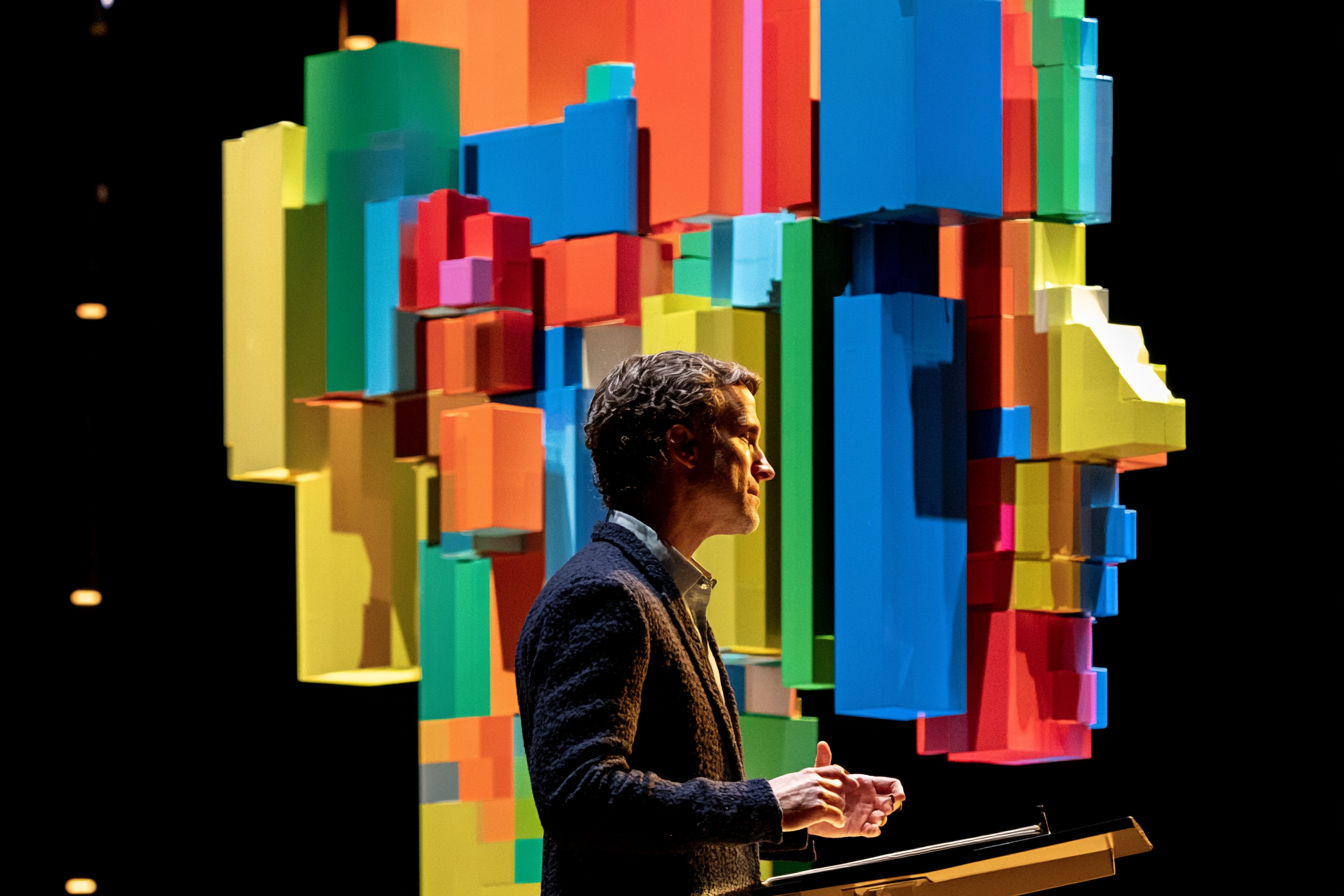
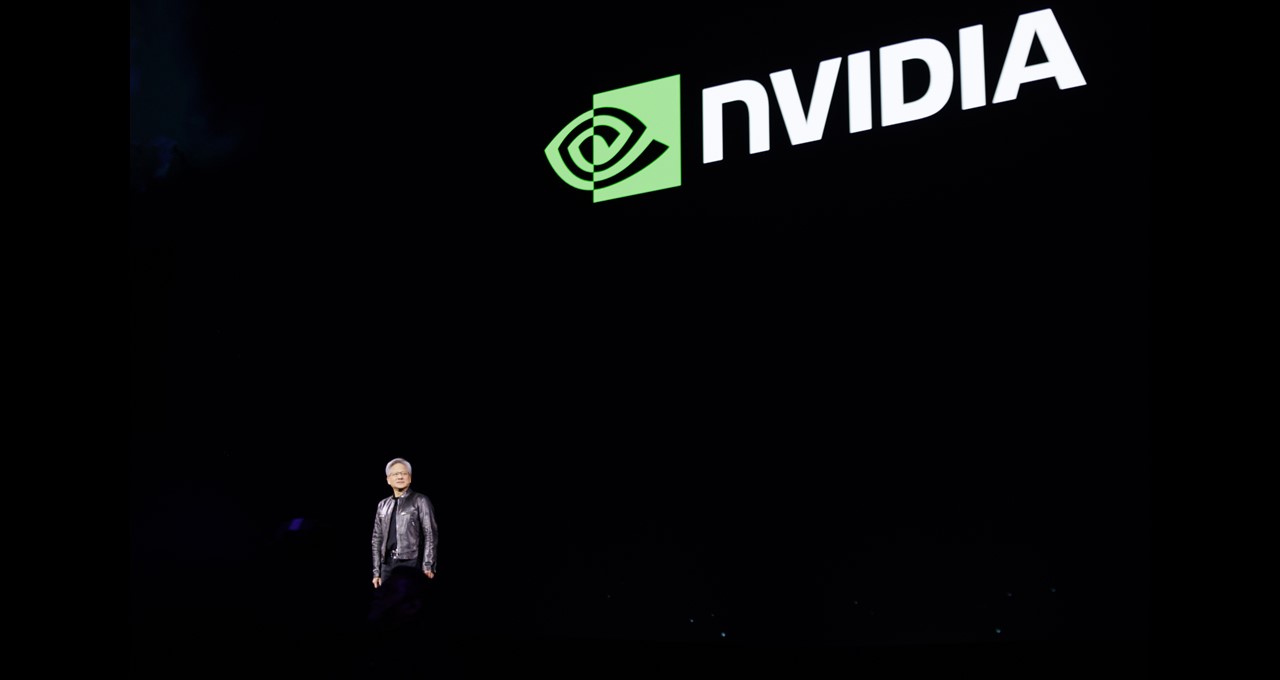
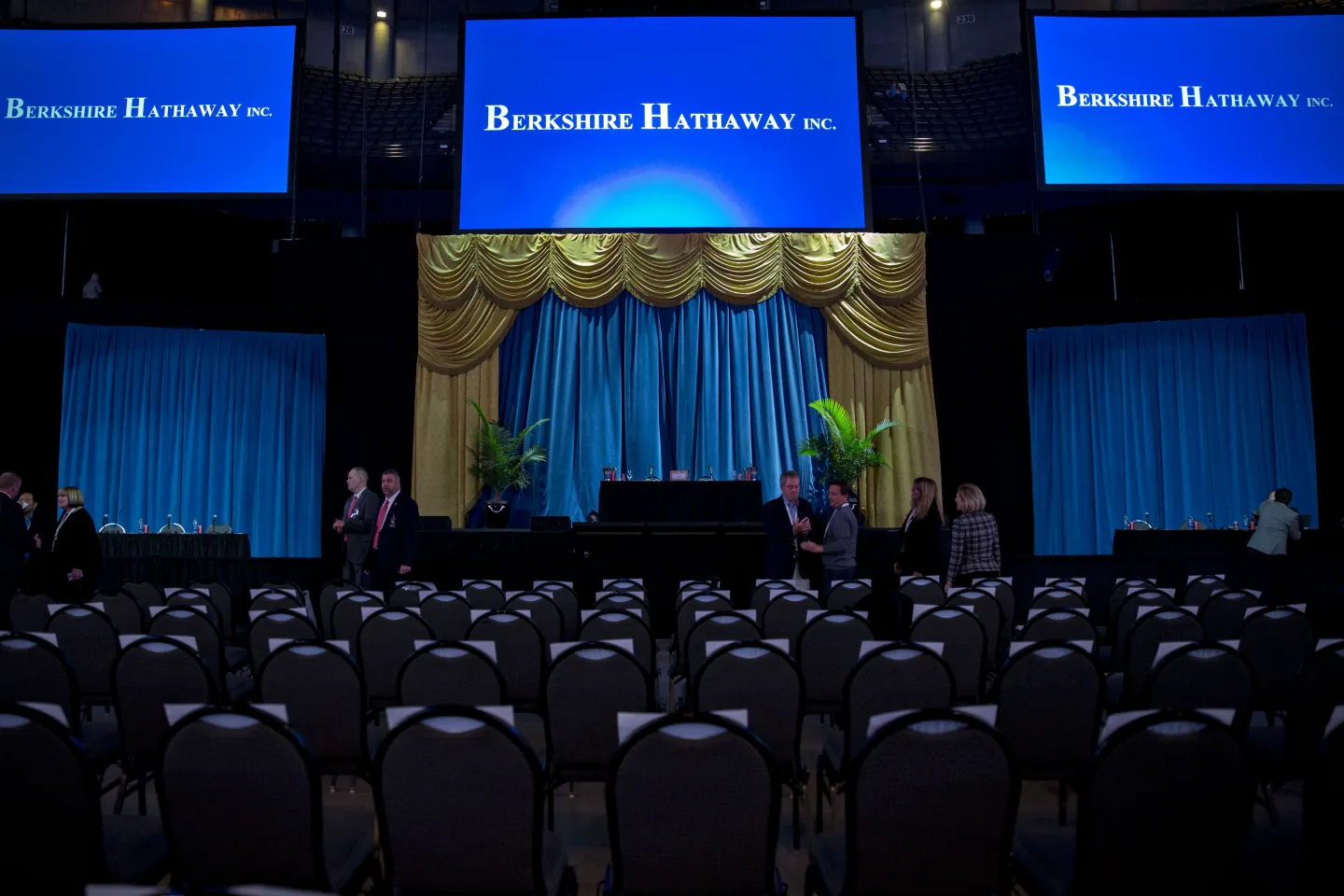
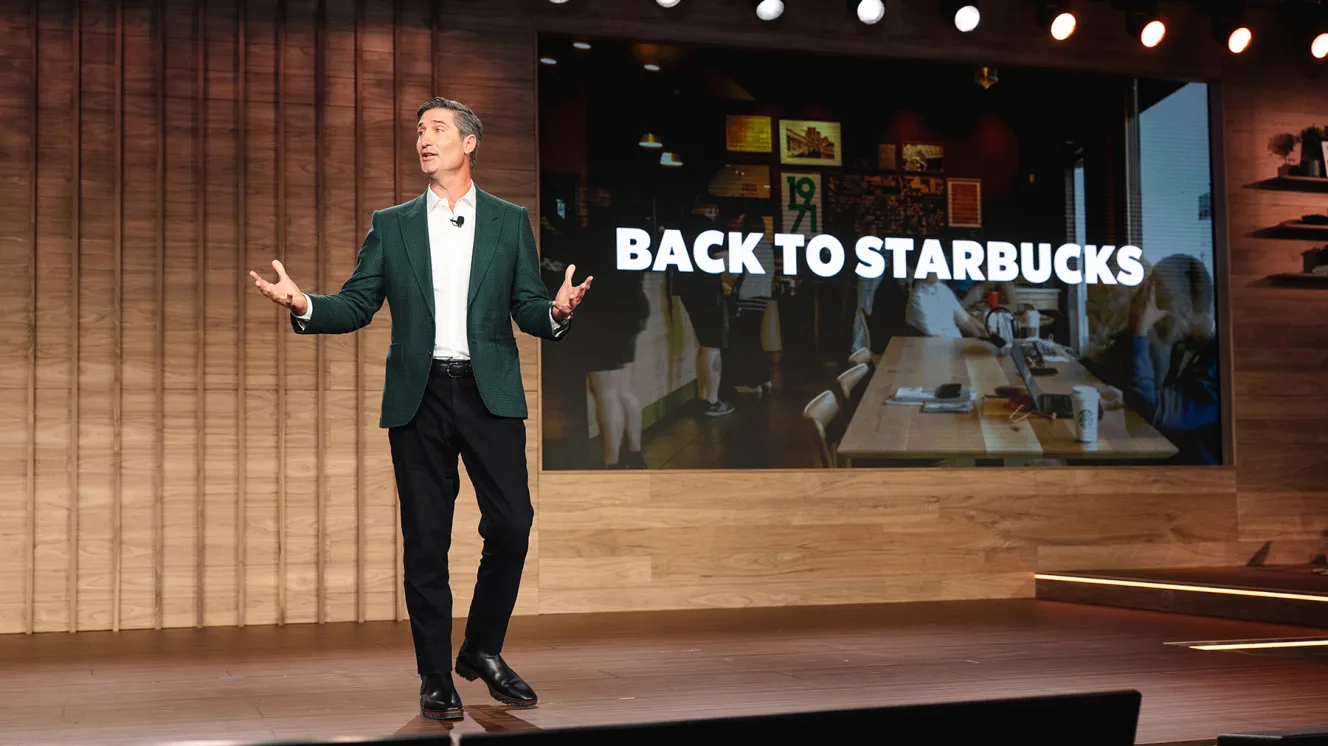
Investor days can happen in several ways:
Each type needs video production tailored for smooth delivery, clear visuals, and strong storytelling. Your choice depends on your audience size, location, and how you want to engage viewers.
To create a successful investor day video, focus on clear communication with your team. Set specific goals and map out a detailed schedule.
These steps help make sure your message is sharp and your production runs smoothly.
Work closely with your executive team, investor relations staff, and marketing groups. Get input from key players early to align the story you want to tell.
Regular meetings keep everyone on the same page. Adjust plans based on feedback.
Make sure each stakeholder understands their role in the production. Clear communication channels reduce delays and help solve problems quickly.
Define exactly what you want your video to achieve. Whether you need to explain new strategies, highlight achievements, or boost investor confidence, your goals guide the production.
Use specific aims like improving shareholder understanding or increasing engagement during the event. This clarity shapes your script and visual style.
List these objectives to share with your team. It keeps your message focused and helps measure the video’s success after the event.
Create a timeline that covers every step, from scriptwriting to final edits. Include deadlines for filming, feedback rounds, and approvals.
Break the timeline into clear phases: pre-production, production, and post-production. Assign responsibilities to team members at each stage.
Keep buffer time for unexpected delays. A detailed schedule ensures you meet your investor day on time with polished content.
Strong preparation sets the stage for an effective investor day video. Focus on crafting a clear script, planning visuals, and choosing the right location.
These steps ensure your message is precise, engaging, and professional.
Your script is the foundation of your video. Write with clarity and precision to communicate key messages confidently.
Use simple language and avoid jargon to make your points easy to understand. Focus on what investors want to hear—company strategy, growth outlook, and financial highlights.
Keep sentences short and direct. Include a strong opening to grab attention and a clear call to action at the end.
Script transitions smoothly between segments. This keeps your story flowing and helps viewers stay engaged.
Plan for natural pauses to allow important points to sink in.
Create a storyboard to map out every shot and scene before filming. This helps you visualize the flow and ensures all messages get proper emphasis.
Use visuals to support your script. Charts, graphics, and footage of leadership or operations add credibility and break up talking heads.
Plan a mix of live and pre-recorded elements to maintain interest. Think about pacing—don’t overload viewers with too much information or heavy visuals at once.
Clear, simple imagery works best for sharing complex financial details.
Choose a setting that reflects your company’s professionalism and brand identity. A clean, well-lit space is essential for clear visuals.
Consider backgrounds that are neat and free from distractions. Executive offices, boardrooms, or studio settings work well.
If filming in multiple locations, keep lighting and style consistent. Sound quality matters.
Use quiet spaces and test audio before filming. A good microphone and minimal echo make your video easier to watch and more polished.
To create a professional investor day video, use the right tools, good lighting and sound, and reliable streaming options. Each part plays a key role in making your message clear and engaging for investors.
Choose high-definition cameras that capture sharp, crisp images. DSLR or mirrorless cameras work well for controlled environments.
For a dynamic look, use multiple cameras to capture different angles. Use sturdy tripods to keep shots steady.
Have backup batteries and memory cards ready to avoid interruptions. Use lapel mics or shotgun mics to capture clear speech without background noise.
Good audio equipment is as crucial as good video quality when you want investors to focus on your message.
Proper lighting makes your video look polished and professional. Use softbox lights or LED panels to avoid harsh shadows.
Position lights to brighten faces evenly, reducing glare and preventing dark spots. Control ambient noise by filming in quiet spaces or using soundproofing materials.
Use directional microphones and sound mixers to improve audio clarity. Test sound levels before filming begins to catch any issues.
Add a bounce board or reflector to soften the lighting and give a natural look. Aim for consistent lighting throughout the shoot to keep a clean and uniform appearance.
If you host live sessions, pick a streaming platform that supports high-quality video and easy access for investors. Options like Zoom, Vimeo, or YouTube Live are popular for their reliability and features.
Use hardware encoders or streaming software like OBS Studio to manage your broadcast smoothly. Test your internet speed beforehand—upload speeds should be strong to prevent buffering or dropped connections.
Have a technical team monitor the stream during your event. They can quickly solve issues like audio lag or video freezes, ensuring your live presentation runs without hiccups.
Post-production shapes how your message comes across after the shoot. This phase involves adding your company’s brand, making data easy to understand, and keeping viewers interested throughout the video.
Each step helps your investor day video feel professional and clear.
Use your brand’s colors, fonts, and logos in post-production to make your video feel like part of your company. Match everything to your usual look so investors recognize your message instantly.
Add lower-thirds with your company’s font and place your logo on every slide or scene. Be consistent with color schemes—stick to your corporate colors like navy, gray, or white for a clean, polished feel.
Sound also plays a part. Use branded music or carefully chosen sound effects to reinforce your company’s identity without overwhelming the content.
Clear visuals make complex data easier to grasp. Use charts, graphs, and icons to highlight key numbers and show trends in a simple way.
Animated graphics help hold viewers’ attention while explaining important facts. Keep graphs clean and uncluttered.
Label everything clearly and use colors that line up with your brand. Avoid too much text—focus on visuals that tell the story quickly.
Use callouts or arrows to point out what matters most in the figures. This guides your viewers’ eyes right where you want them.
Your video needs to keep viewers watching from start to finish. Tight editing removes long pauses or repeated points so the message stays strong and focused.
Mix live-action and pre-recorded clips to create variety. Use smooth transitions, but avoid distracting effects.
Short clips of executives speaking directly help build connection and trust. If you have Q&A segments, edit them carefully so answers are clear and relevant.
Balance formal investor tone with a friendly pace to hold attention and boost confidence in your story.
To keep your investors focused during your video presentation, use tools and strategies that grab attention and encourage participation. Features that allow interaction, real-time responses, and easy access later help you connect better and make your message stick.
Interactive elements like polls, clickable slides, and on-screen prompts help you engage your audience. These features invite viewers to take part instead of just watching passively.
For example, adding quick polls during key points lets investors share opinions, giving you instant feedback. Use interactive charts or graphics that let users explore data at their own pace.
This makes complex information easier to understand. Keep interactions simple and clear to avoid distracting from your message.
Interactive tools increase engagement and keep your presentation dynamic. You want your audience actively involved, not just watching silently.
A live Q&A session helps maintain connection with your audience. When investors can ask questions during or after your presentation, it shows you value their input.
Real-time answers build trust and demonstrate transparency. Use moderation tools to filter questions before they go live.
This ensures you address the most relevant and important topics. Make sure your tech setup supports quick switching between speakers and questions without lag.
If your event is virtual or hybrid, enable live chat or video calls for Q&A to increase accessibility. Set clear guidelines on timing and types of questions to keep the session focused and productive.
Making your Investor Day video available after the event is crucial. Recording your session means people who missed the live event can still watch it on their own schedule.
Provide easy on-demand access through a secure platform with simple navigation. Add searchable transcripts or chapters to help viewers find specific information quickly.
Offer downloadable versions in multiple formats to suit different devices. Clear instructions on how to access the recording improve user experience and ensure your message reaches a wider audience beyond the live event.
To know if your investor day video production is working, start by tracking key metrics. Look at viewer engagement, such as watch time, drop-off points, and repeat views.
These help you understand how well your video holds attention. Next, measure audience reach.
Note the number of unique viewers and how many shareholders or investors tune in. This shows how far your message is spreading.
You should also track feedback and sentiment. Collect responses from viewers through surveys or direct comments.
Positive feedback suggests your video builds trust and confidence with your audience.
Measuring return on investment (ROI) is key too. Compare the cost of producing the video to the value it brings, like increased investor interest or clearer communication.
You might see ROI in new investments or smoother shareholder relations. Using these metrics will help you improve future videos and clearly show how your Investor Day production supports your goals.
Picking the right partner for your investor day video is key to delivering clear, professional, and engaging content. You want a team that understands your specific needs, asks the right questions, and has real experience with investor-focused events.
This choice shapes how well your message connects with investors and analysts.
Look for a partner who combines investor relations expertise with creative storytelling skills. They should deliver polished, precise content suited for high-stakes presentations.
Trust and professionalism are critical since you’re sharing sensitive company information. The partner must handle your message with discretion and a clean, corporate tone.
At the same time, creativity keeps investors engaged. The right vendor balances a corporate style with cinematic visuals that hold attention.
Pick a team that acts as an extension of yours. They should be responsive, flexible, and focused on producing your vision with high standards.
When you speak with vendors, ask specific questions like:
These questions help you understand whether they meet your needs for accuracy, collaboration, and smooth execution under pressure.
Also, ask about timelines and whether they offer live, pre-recorded, or hybrid production options. Make sure their services fit your event format and audience.
Experience with investor day events matters because these productions are very different from typical marketing videos. Your partner should know how to highlight key messages, strategic initiatives, and financial guidance clearly to analysts and shareholders.
A seasoned vendor has handled live webcasts, multi-camera shoots, and blended live and recorded segments. This expertise means fewer surprises and smoother delivery.
Look for proof of successful investor day projects, such as videos that increased market engagement or earned positive feedback from investors. Their familiarity with the IR landscape allows them to anticipate challenges and produce content that builds trust.
Investor Day videos are evolving to meet new demands for engagement and accessibility. Technology and event formats now offer ways to connect with investors beyond traditional presentations.
Virtual and hybrid events have become standard for Investor Days. These formats let you reach a global audience without the limits of physical space.
Using live streaming combined with pre-recorded segments helps keep your message clear and flexible. Investors can watch in real time or catch up later, which boosts participation.
Hybrid events let you mix in-person and remote audiences. This adds convenience and increases the overall reach.
You can also gather instant feedback through chat and Q&A features. These features help keep investors engaged.
New tools make your Investor day videos stand out. Artificial intelligence helps edit footage quickly, ensuring polished and professional results.
Interactive video features like clickable graphics or polls invite your audience to engage actively. This keeps them focused and creates a memorable experience.
360-degree video and augmented reality are also gaining traction. They allow you to showcase products, facilities, or data in ways that simple slides cannot.
Using these tech innovations shows your company as forward-thinking and connected to investors’ interests.
Creating investor day videos can be tricky. One common challenge is keeping your message clear and engaging.
Investors want precise information but also need to stay interested. To solve this, blend live presentations with short, well-edited video clips.
This mix keeps your audience focused and makes complex ideas easier to digest.
Technical issues can also get in the way. Poor audio, bad lighting, or lagging streams reduce the impact of your video.
Plan ahead with professional equipment and do dry runs. Testing everything beforehand helps avoid glitches during the event.
Managing remote or hybrid events brings its own challenges. Coordinating speakers and handling live Q&A across time zones can be tough.
Use reliable production teams that specialize in virtual events. Their experience ensures smooth communication and keeps your event running on time.
Balancing creativity with professionalism can be a worry. Too much flair can distract, while too little may bore viewers.
Aim for a polished look with creative touches. This mix builds trust while making your message memorable.
When you choose the right video production partner for your Investor Day, the results can be powerful. For example, Brinks used video to clearly explain their new digital cash payments plan to investors.
The videos helped simplify complex ideas and made the messaging easy to follow.
WEX faced the challenge of hosting a smooth virtual event with live Q&A for global investors. They trusted Cardboard Spaceship to manage production, ensuring the event went off without a hitch and kept investors engaged in real time.
Carlisle Companies unveiled the Vision 2030 strategy with a virtual event. Cardboard Spaceship played a key role by creating videos that highlighted important milestones and made the company’s future plans clear and inspiring.
Clear, well-produced videos help explain complex strategies. Virtual events with live elements keep a global audience connected.
Storytelling through video can elevate your message and build trust.
Video for investor day events needs clear messaging, strong visuals, and smooth delivery. Planning ahead, keeping videos concise, and using a mix of live and pre-recorded content helps you keep investors interested.
Avoid common pitfalls like overloading information or poor audio.
Focus on clear, concise messaging that matches your company’s story. Use high-quality visuals and sound to maintain professionalism.
Include both live and pre-recorded segments to balance engagement and control.
Keep your content focused on important updates and insights. Use storytelling to make facts easier to absorb.
Break up content with visuals, charts, or on-screen text to support your points. Engage investors with a mix of live Q&A and polished video segments.
Aim for 15 to 30 minutes depending on content depth. Shorter segments, around 5 to 10 minutes, work best to hold attention.
Combine several shorter clips for longer presentations to avoid viewer fatigue.
Start planning at least 6 to 8 weeks before the event. This gives time for scripting, shooting, editing, and revisions.
Early planning helps avoid last-minute issues and ensures smooth delivery.
Don’t overload the video with too much information or jargon. Avoid poor lighting, unclear audio, and shaky footage.
Steer clear of slides that are hard to read or too text-heavy. Make sure technical setups are tested in advance.
Track how many people watch the video. Check how long viewers stay engaged.
Collect feedback from investors through surveys or live questions. Monitor social media and analyst responses to see the impact.